Still on until 31 January 2027, I finally got round to visiting the British Museum’s Korea exhibition. My first impression was that it felt more like a display of objects from the collection donated by the family of the late Samsung chairman Lee Kun-Hee than an exhibition telling the story of Korea. There are some lovely pieces, but the historical narrative felt rather thin.
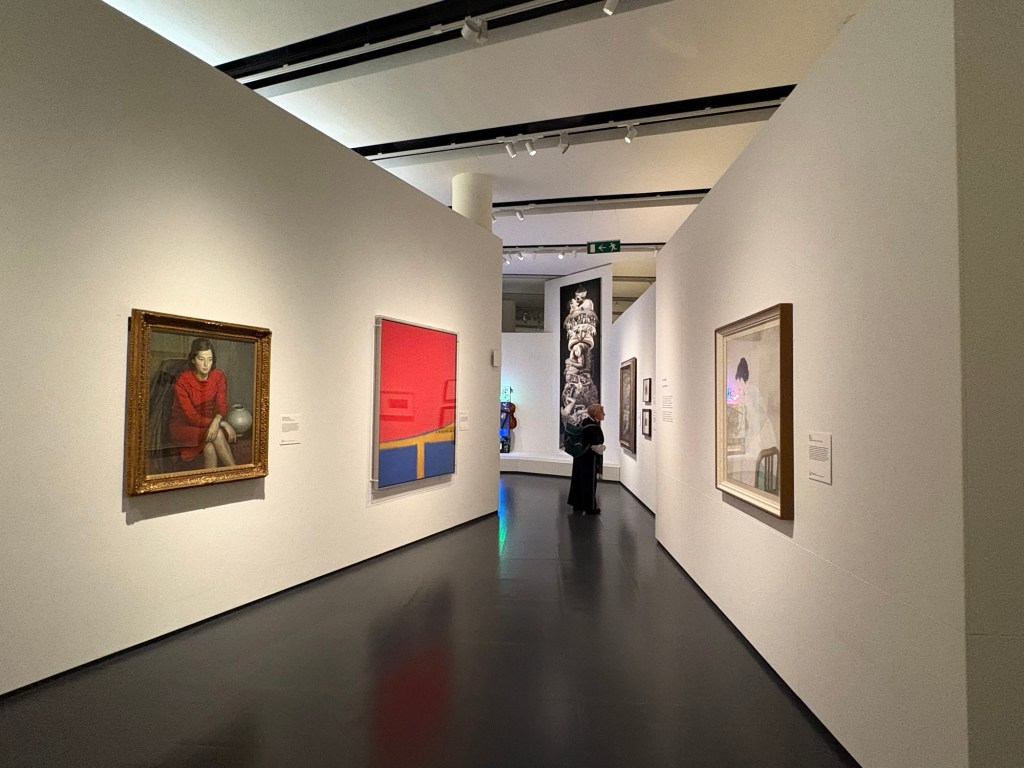
The exhibition attempts to cover around two thousand years of Korean history, from the early kingdoms and the Three Kingdoms period through Goryeo and Joseon, to division and modern Korea. That is an enormous subject for one gallery, and inevitably it can only offer a selection of highlights. I would have liked to see more explanation of the periods, however, the exhibition sometimes feels like a collection of displays rather than a coherent story.
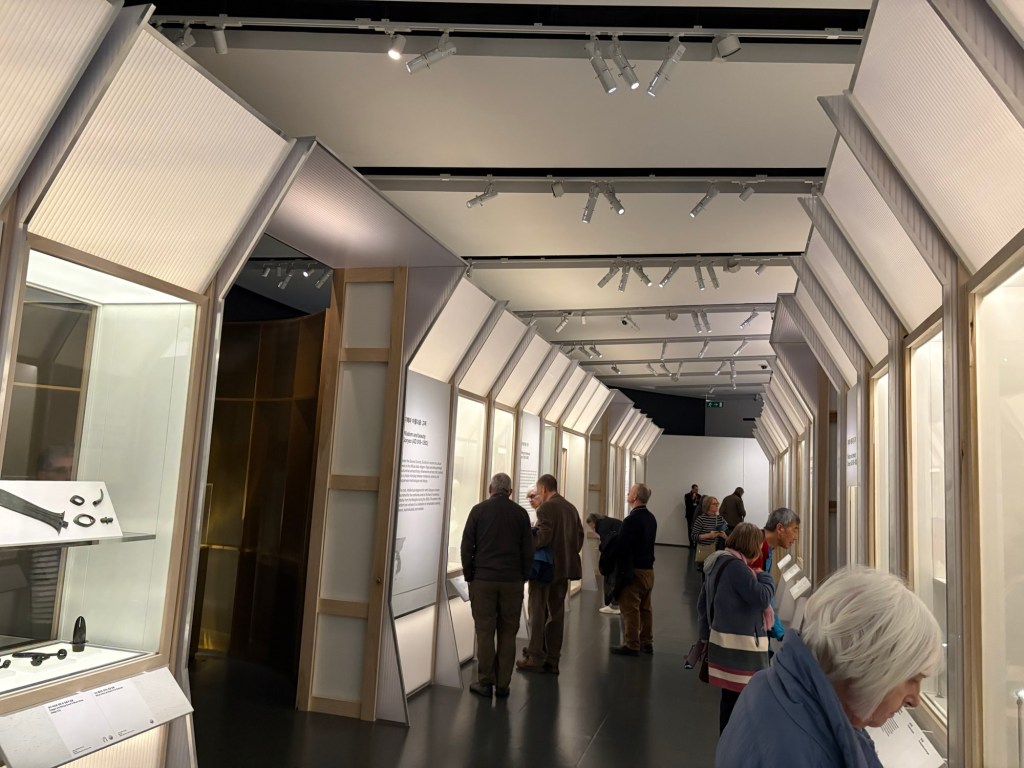
The first pathway rather reminded me of a corridor aboard the Starship Enterprise from Star Trek! It certainly makes an impression as you enter.
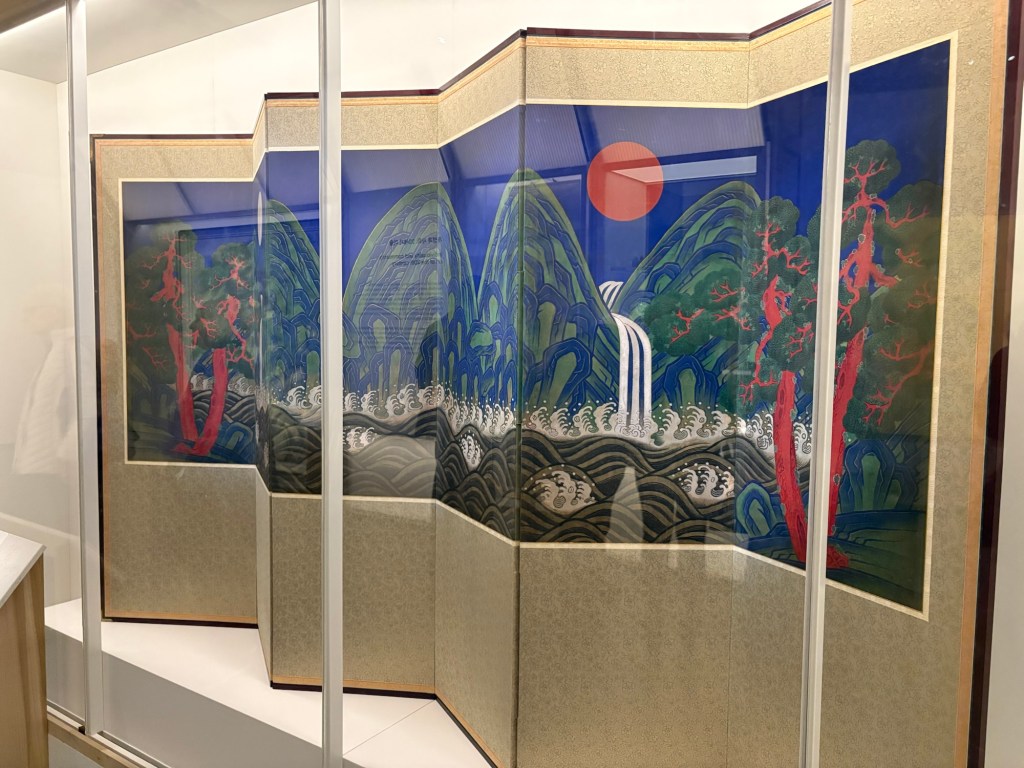
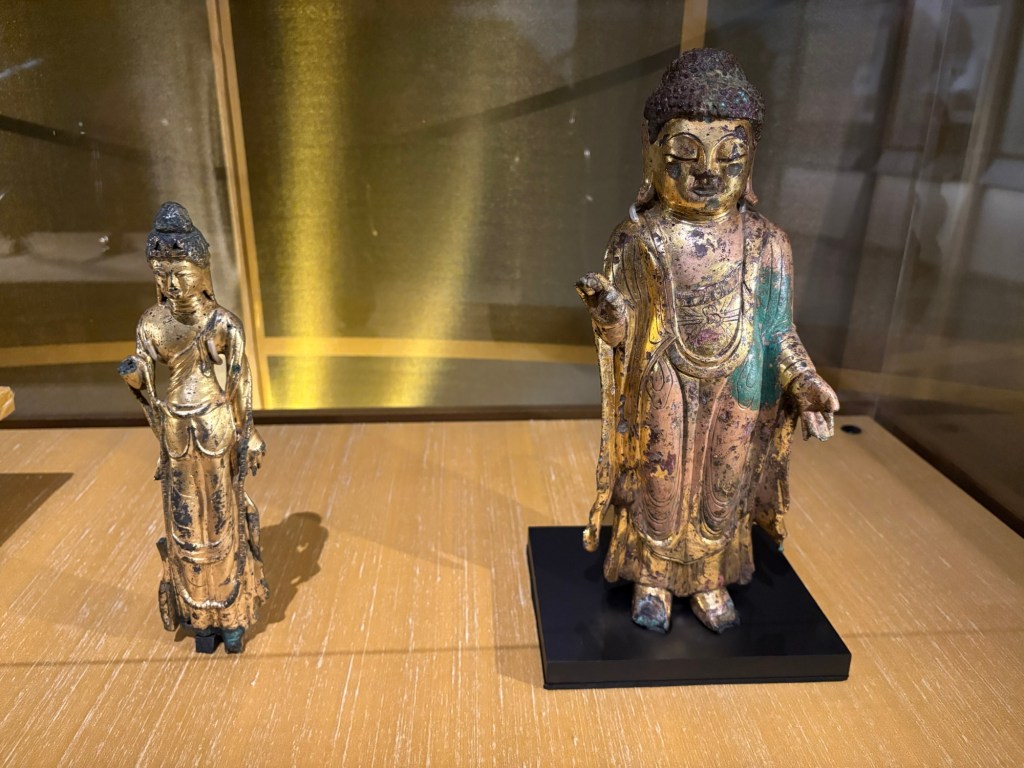
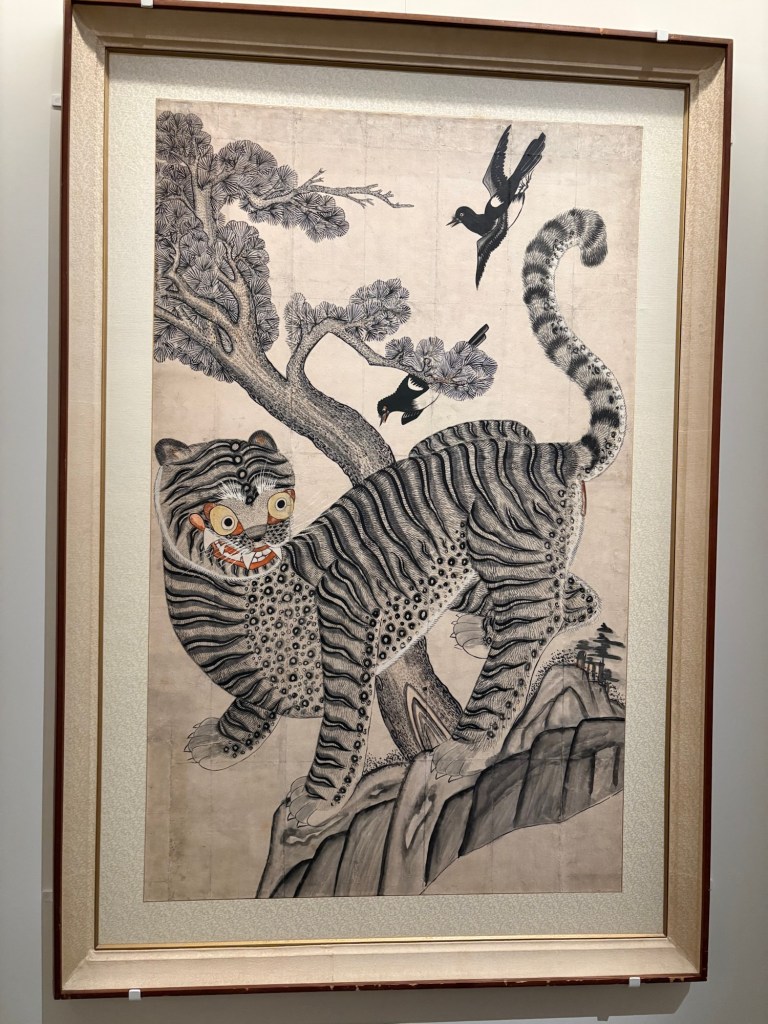
There are plenty of objects to enjoy, including Buddhist figures, pottery, gold jewellery and artwork. Some are beautiful, and the craftsmanship is impressive. I particularly enjoyed the earlier material, although I felt the later sections were less engaging. I had a similar feeling about the last Samurai exhibition: plenty to admire, but not quite enough history to bring it all together.
Of course, no single exhibition can provide a detailed understanding of two thousand years of Korean history. For that, a visit to South Korea, with its museums and historic sites, would offer far more depth.
It is worth a visit if you are interested in Korean culture, but I came away wishing there had been more storytelling and historical context. For such a vast subject, it also felt rather short.