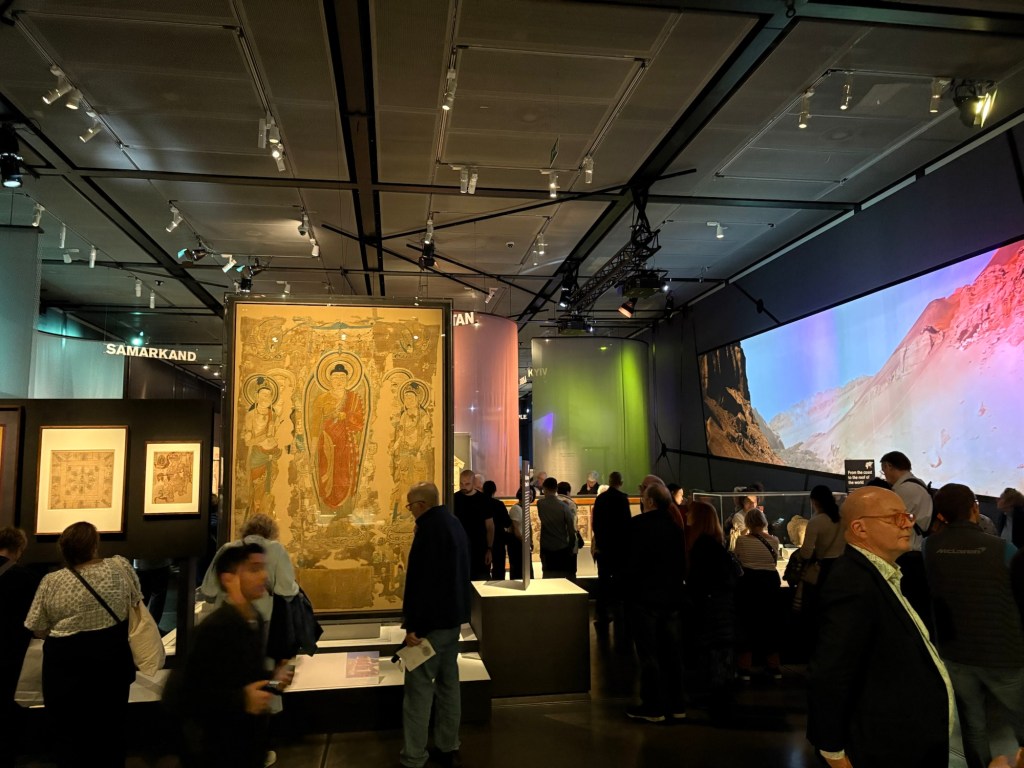
On now in the British Museum until the 23rd February is the Silk Roads exhibit which gives you an insight into the silk trades and way beyond. This is more about the connection, evolution and expansion of empires across this vast route.
All traders from all walks of life and what are they trading? Cloths, silks, pottery, precious gems, silver, gold and spices. In turn the wealth build trade settlements along the route and the route expands to already established settlements.
The exhibit takes you for a wonder from Japan, through China into middle Asia, all the way to Europe and Africa. There are some sad realities like the fact slaves were traded also, with incredibly well-preserved letters of slaves passing from one hand to another. This was partly due to the expansion of the Muslim empire into Africa and Europe which in turn pushed a dominant Buddhism out of Asia and Islam to take hold on the lands. This also transforms type of trades.
As you near the end of the exhibit you see some treasures from the Sutton Hoo collection. A burial in England where gems had come as far from Sri Lanka. And this was done thousands of years ago.
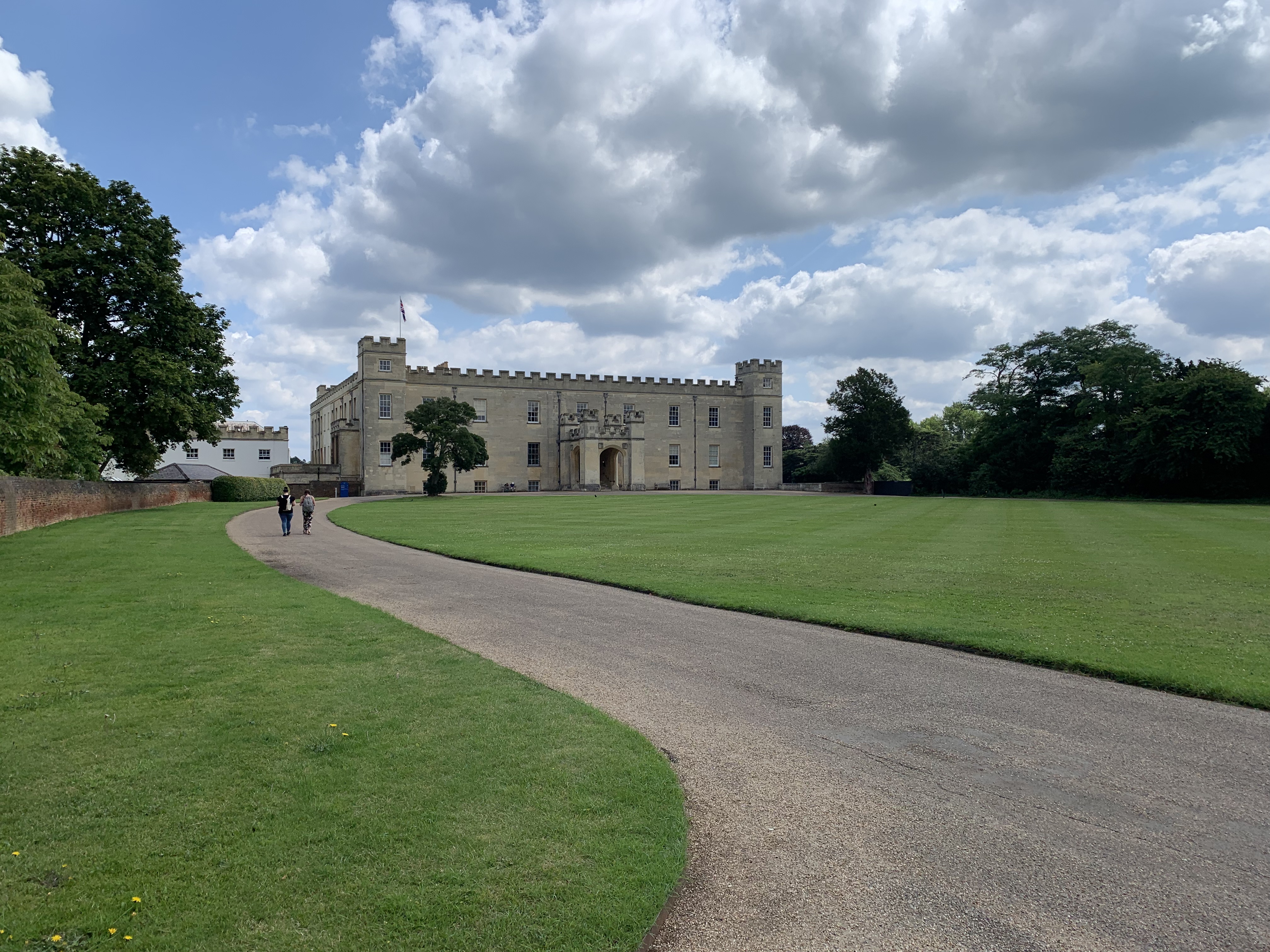
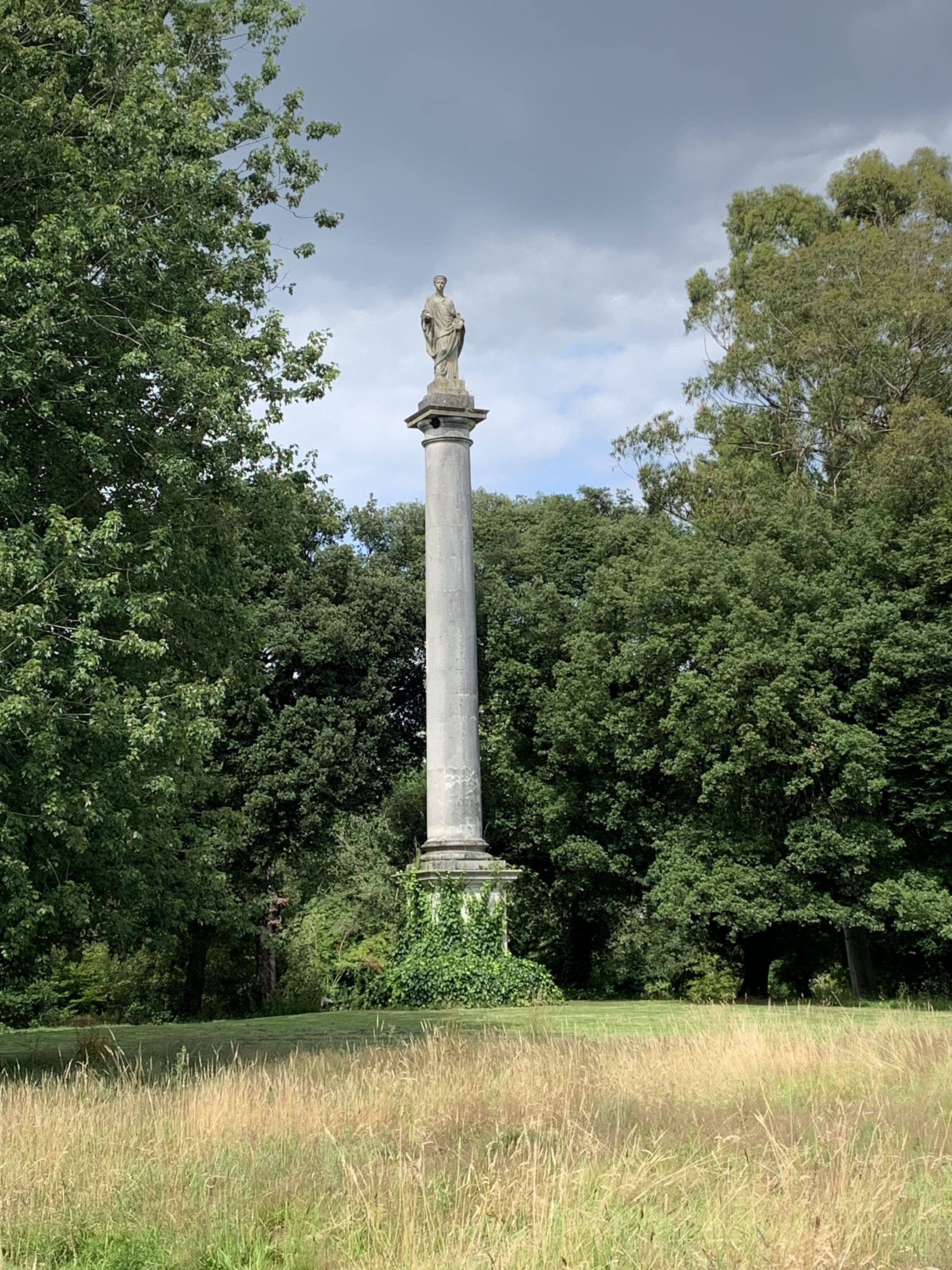
Often I’ve been to Kew Gardens, which seems to be turning into a yearly ritual, I will walk all the way around. There is a spot I like to sit at and the view has interested me for a while. Right across from this view point is a little-known place called Syon House.
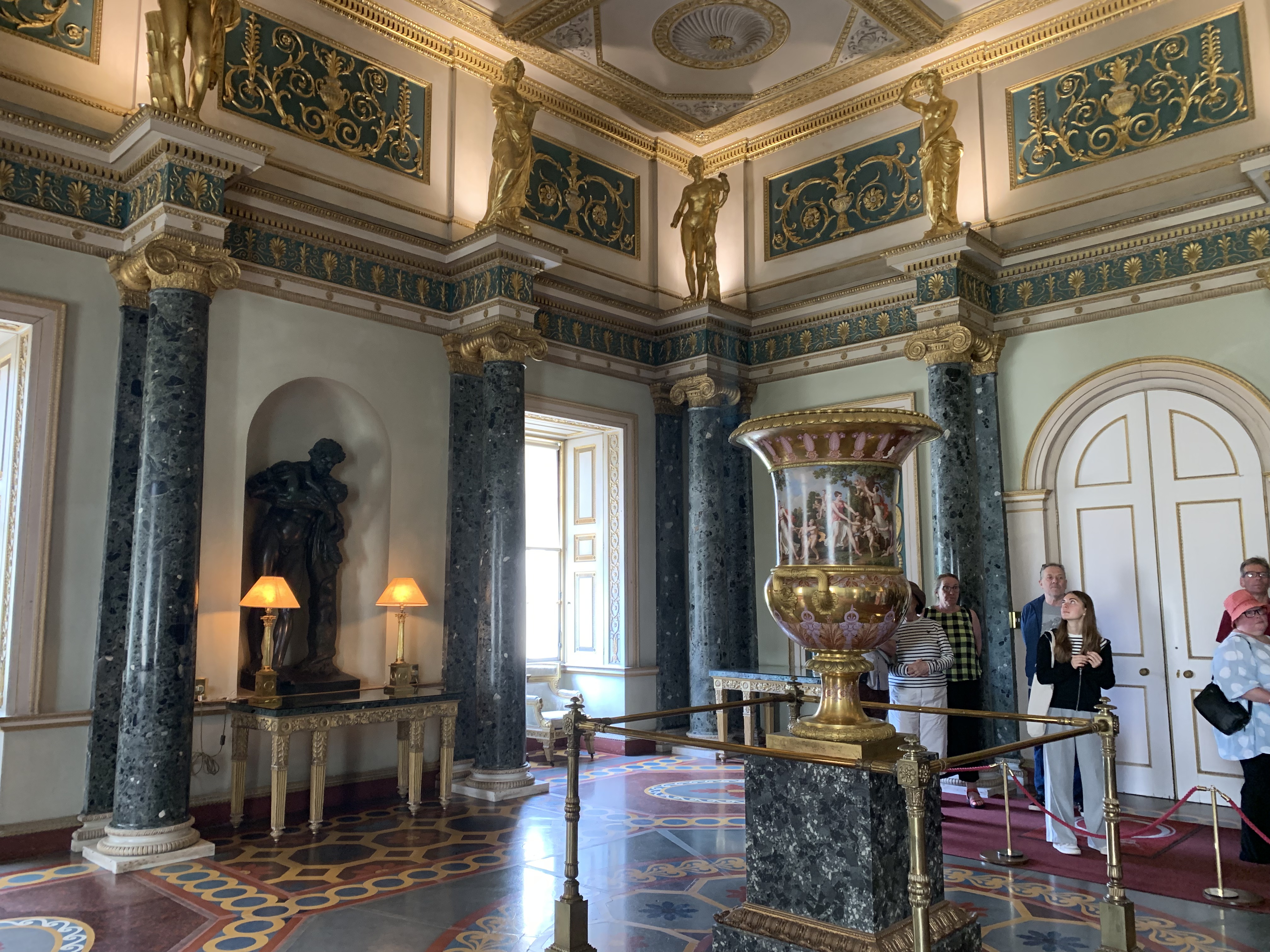
I finally got there and little it is not. It feels hidden away but as you walk down and through the entrance you are greeted with a long driveway up to a house that looks like a castle, that is palatial inside. Owned by the Duke of Northumberland this estate sits in the leafy green Brentford part of London.
The house sits on a former church site and the catacombs still exist under the house. The main entrance of the house The Great Hall is kind of a love story to ancient Rome. You follow through into an Ante Room of a completely different colour scheme, made up of composite marble, like the film studios use today when making film sets. There is a sense of grandeur through-out the house with that ancient Roman Greek design by the famous James Adam who after his grand tour of Italy brought a number of styles back with him.
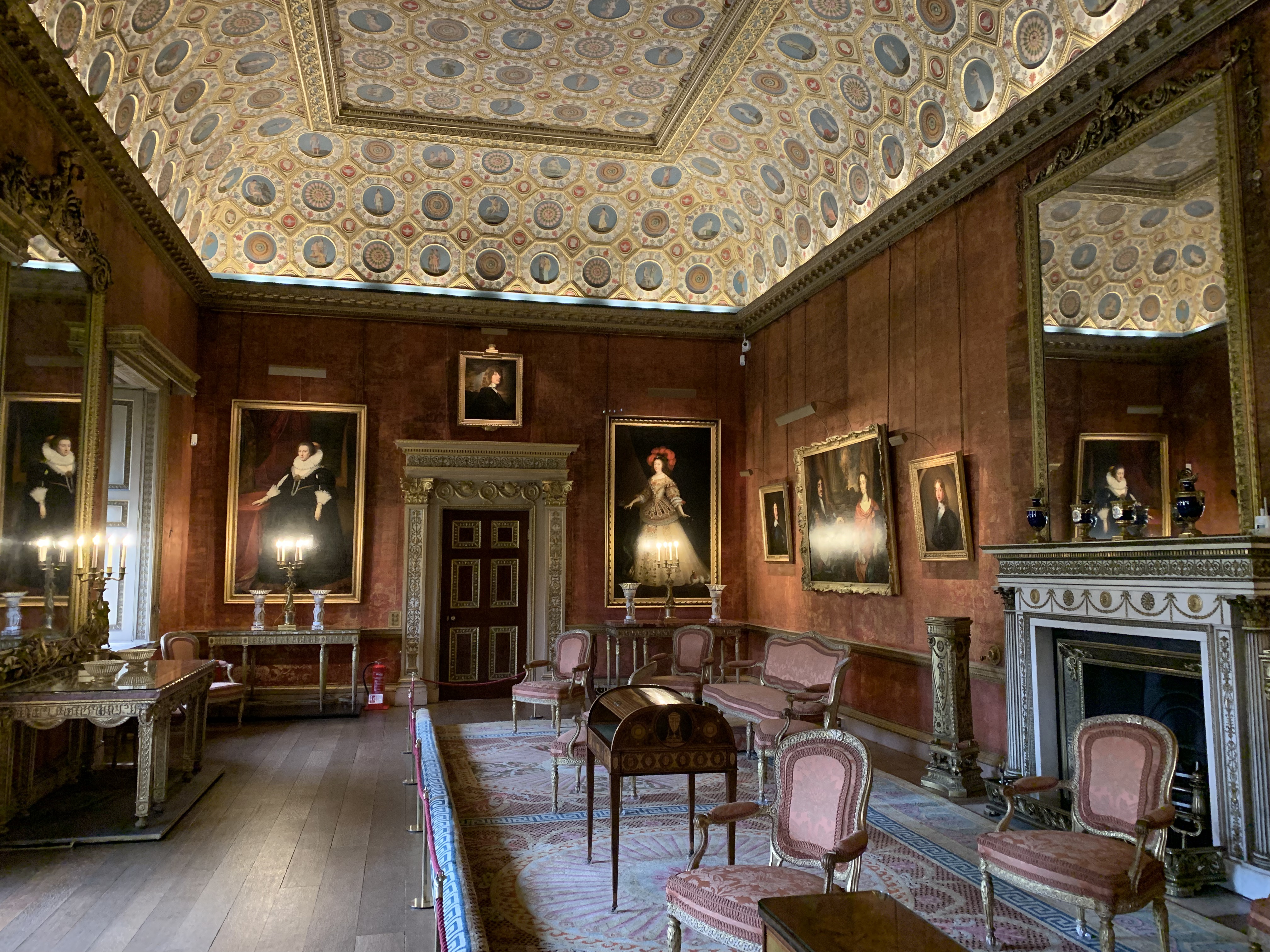
The Anti Room follows through into the Dining Room. This room is far more subtle in colour with white walls and gold leaf designs and the traditional solid oak stained floor. The next room is the Red Drawing Room, far more opulent with an intricately decorated celling. There is a lot softer feel to the room as the walls are lined with material instead of paint. And a large Axminster rug to disguise the hard wood floor.
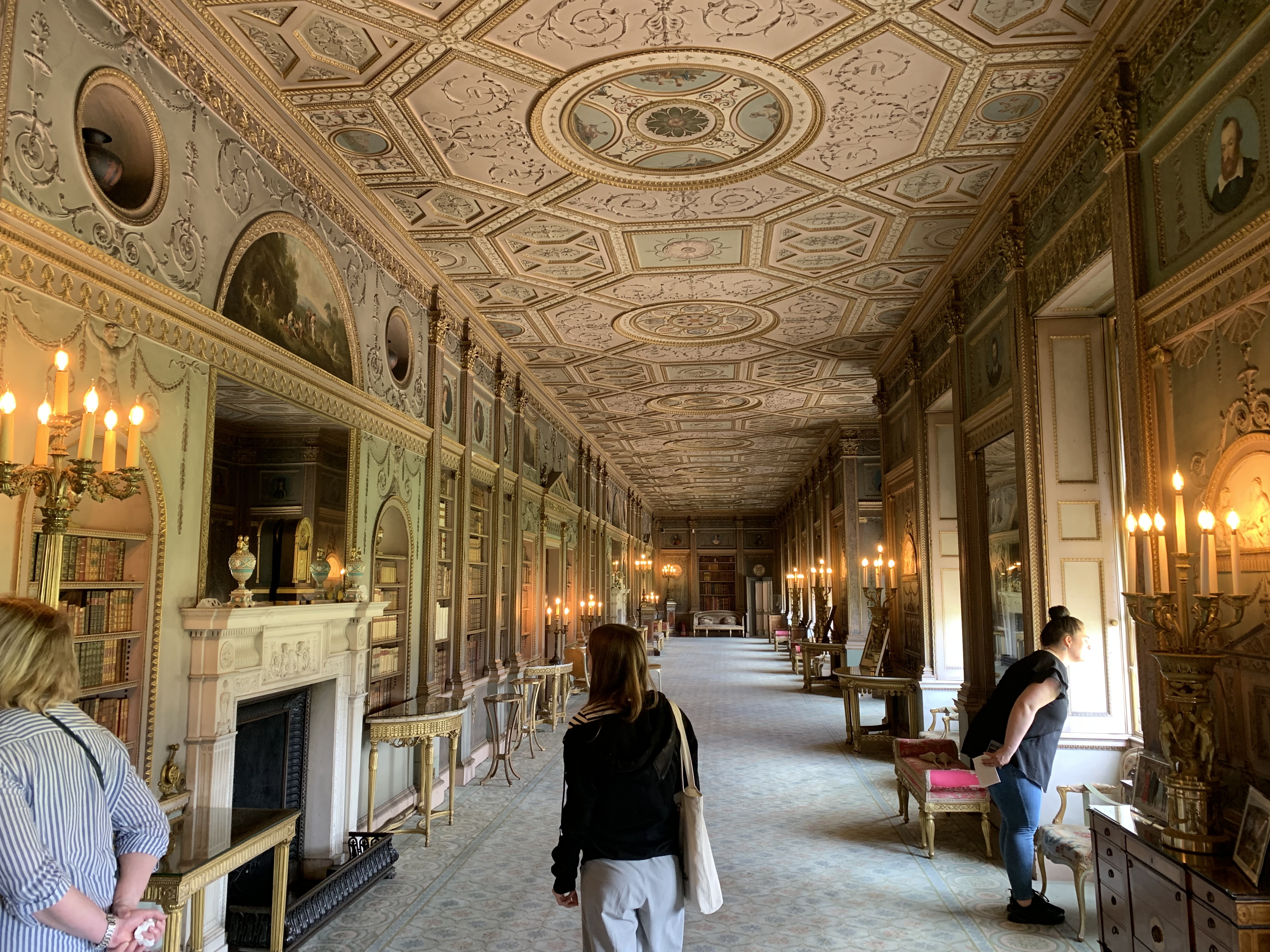
By now you would have made it through to the Long Gallery serving as a library with many books. The fades of time are very much felt here, the colours are very faded. Was it once a pearl sky blue?
Don’t forget to inspect all the painting on your way around, painted by the famous artists of the day. Plenty of Van Dyke’s around!
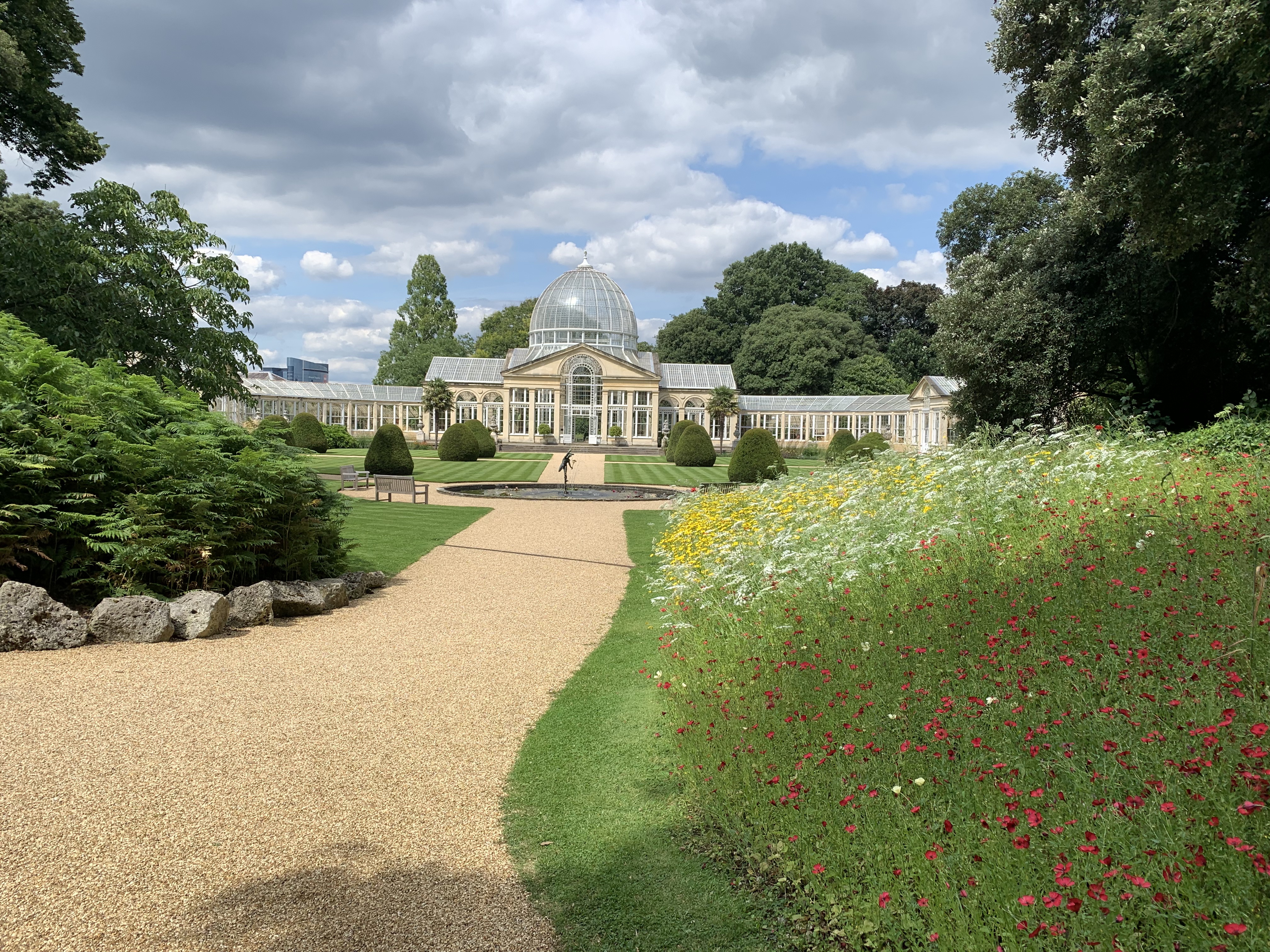
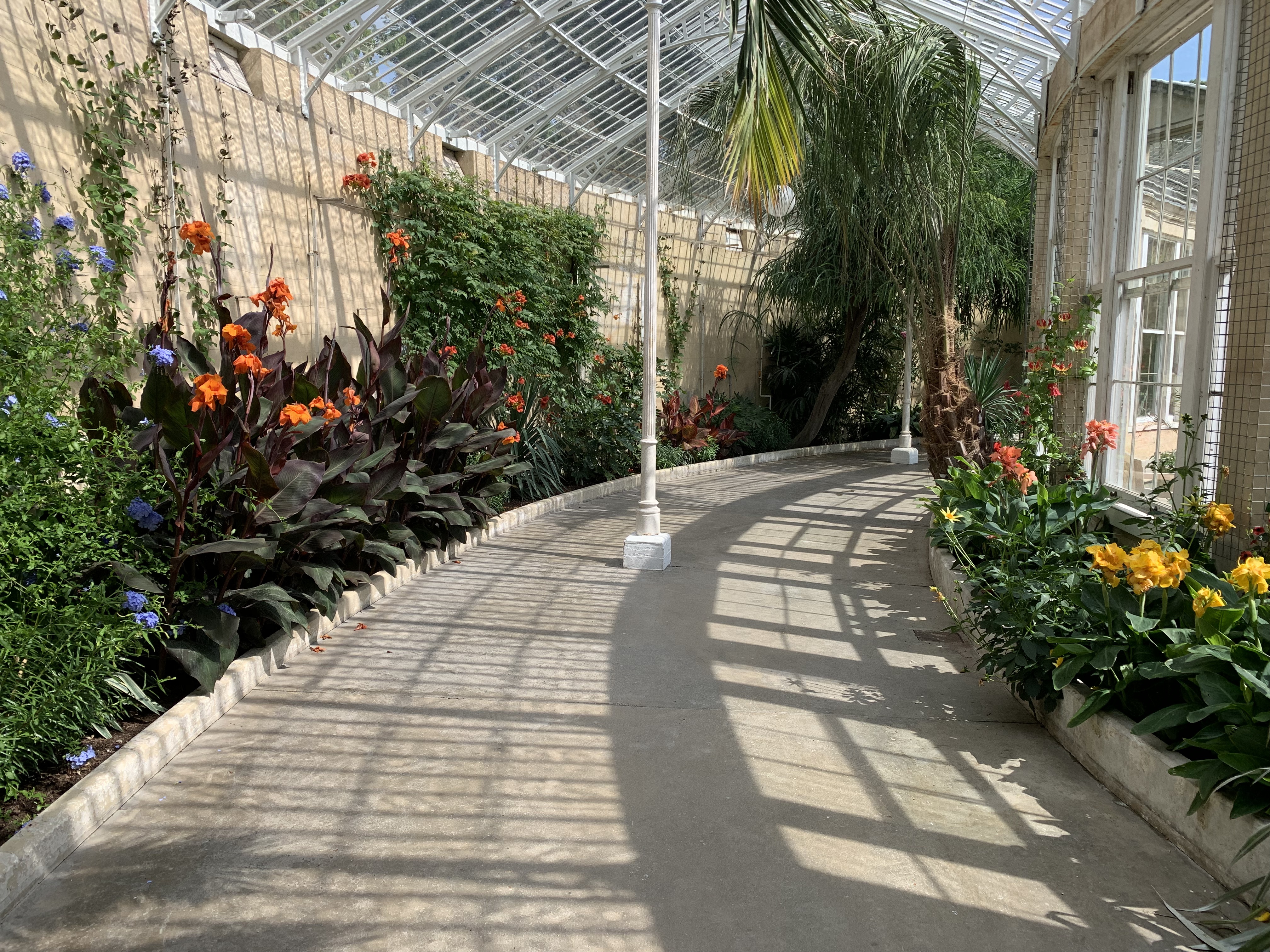
I had viewed many more rooms and then I exited to wonder round to have a look at the Great Conservatory which is on par in design as Kew Gardens, but not as jam packed with plants. Entering this area I was greeted with perfectly maintained grounds, a sea of ferns on one side and a perfect bed of meadow flowers on the other. There are areas of the grounds that need work on, but what a relaxing day out. Although I was worn out by the end.
The reason I call this a hidden gem, well there can’t have been more than 20 people around wondering around. I don’t believe Syon House is advertised and for such a beautiful estate. I guess everyone is at Kew.
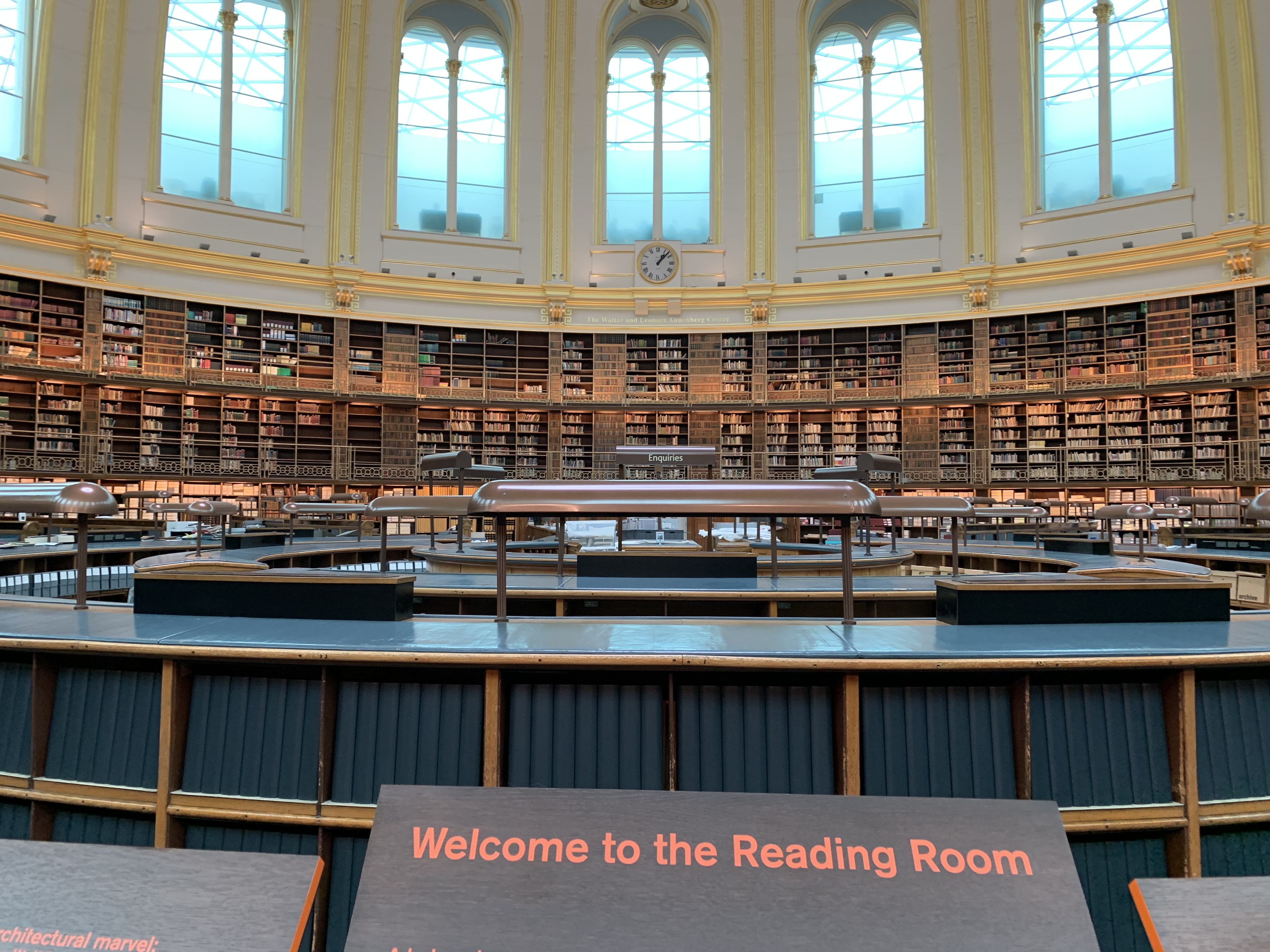
On Monday 8 July 2014 after some time of archiving and moving out goodness knows what. The British Museum has decided to open the doors of the old Reading Room to show the public with a few plaques of famous historic names of past visitors.
Books and archives all the way round synonymous of the old British ideal. And a beautiful dome room to match.
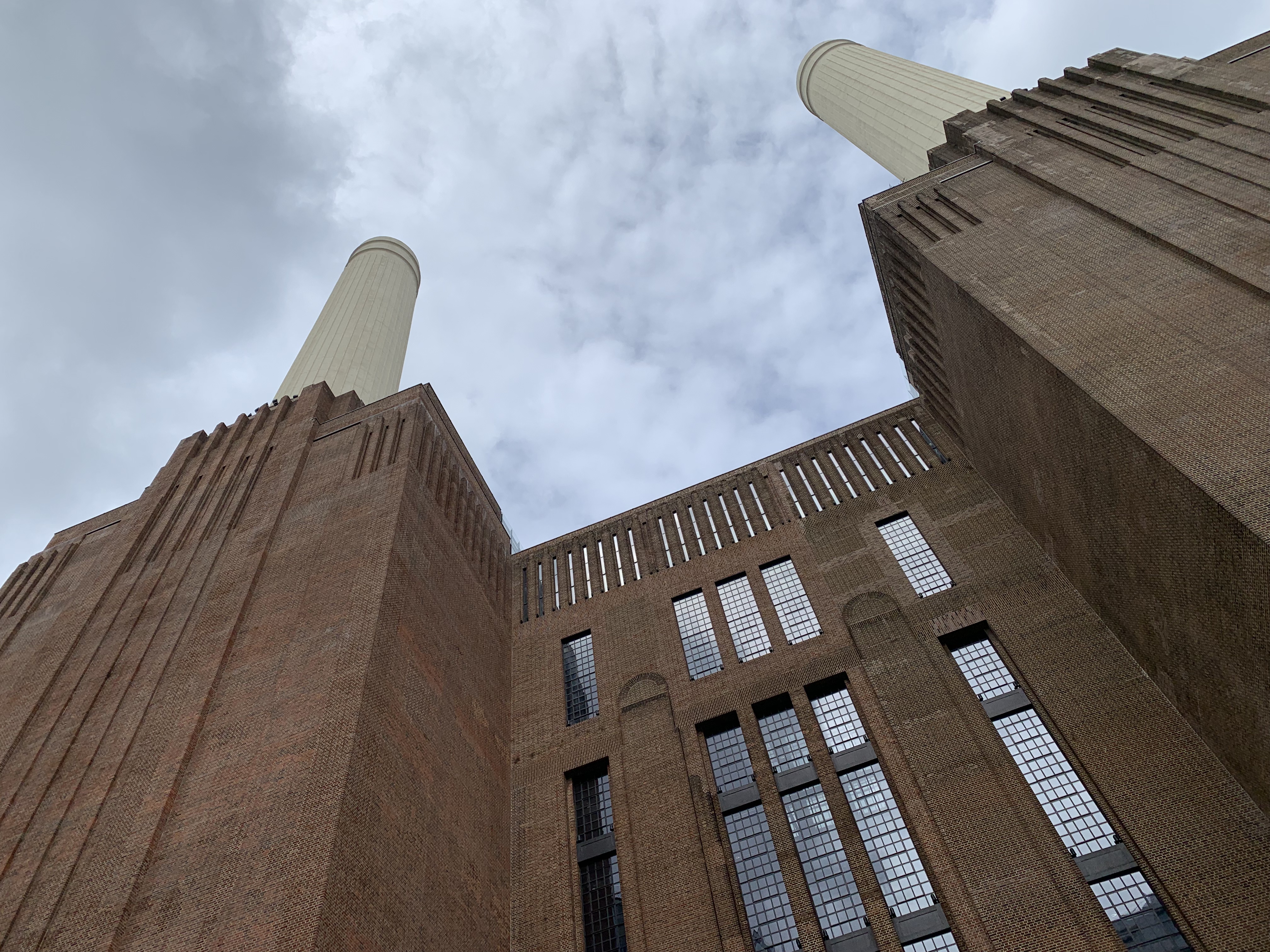
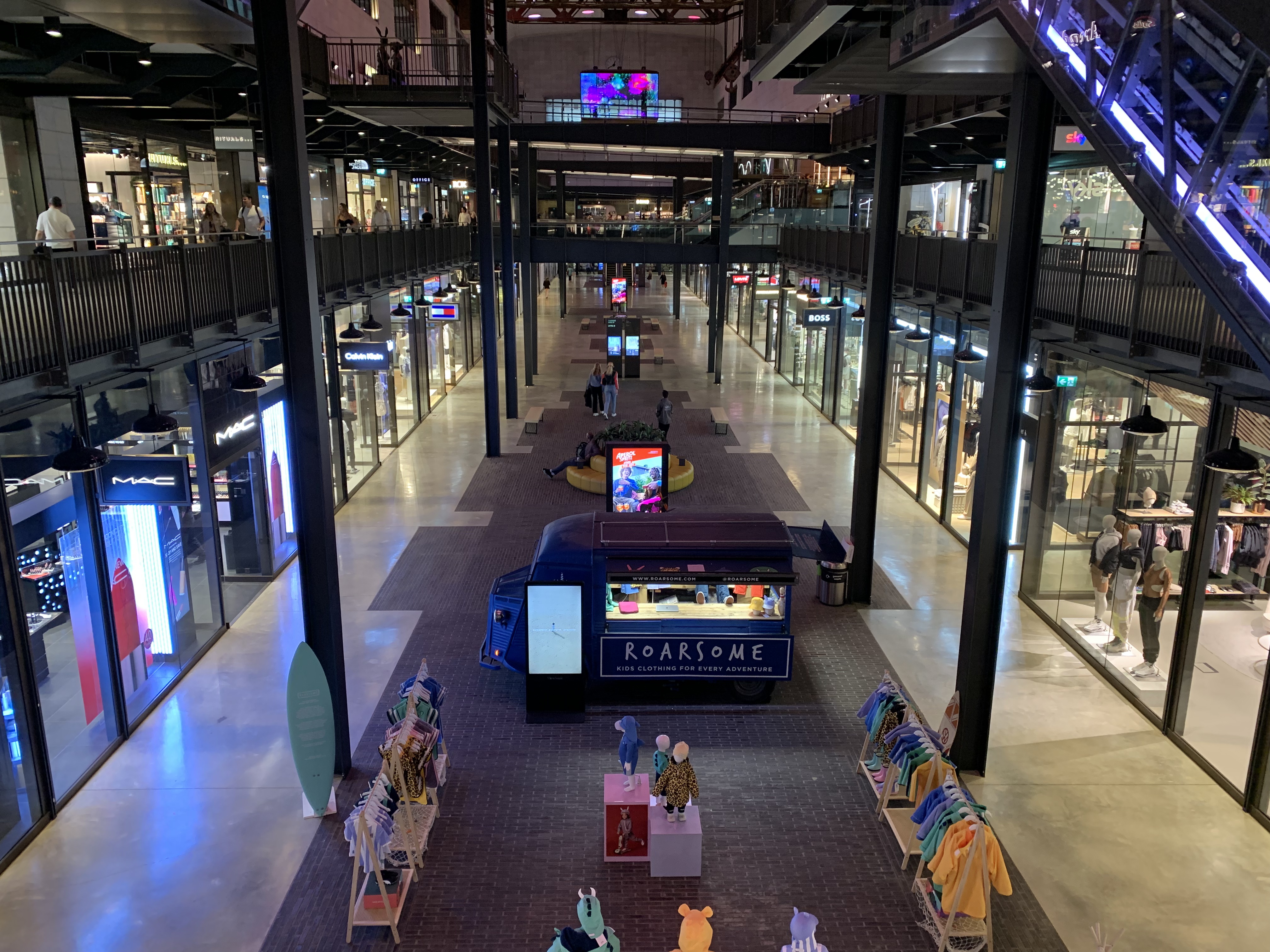
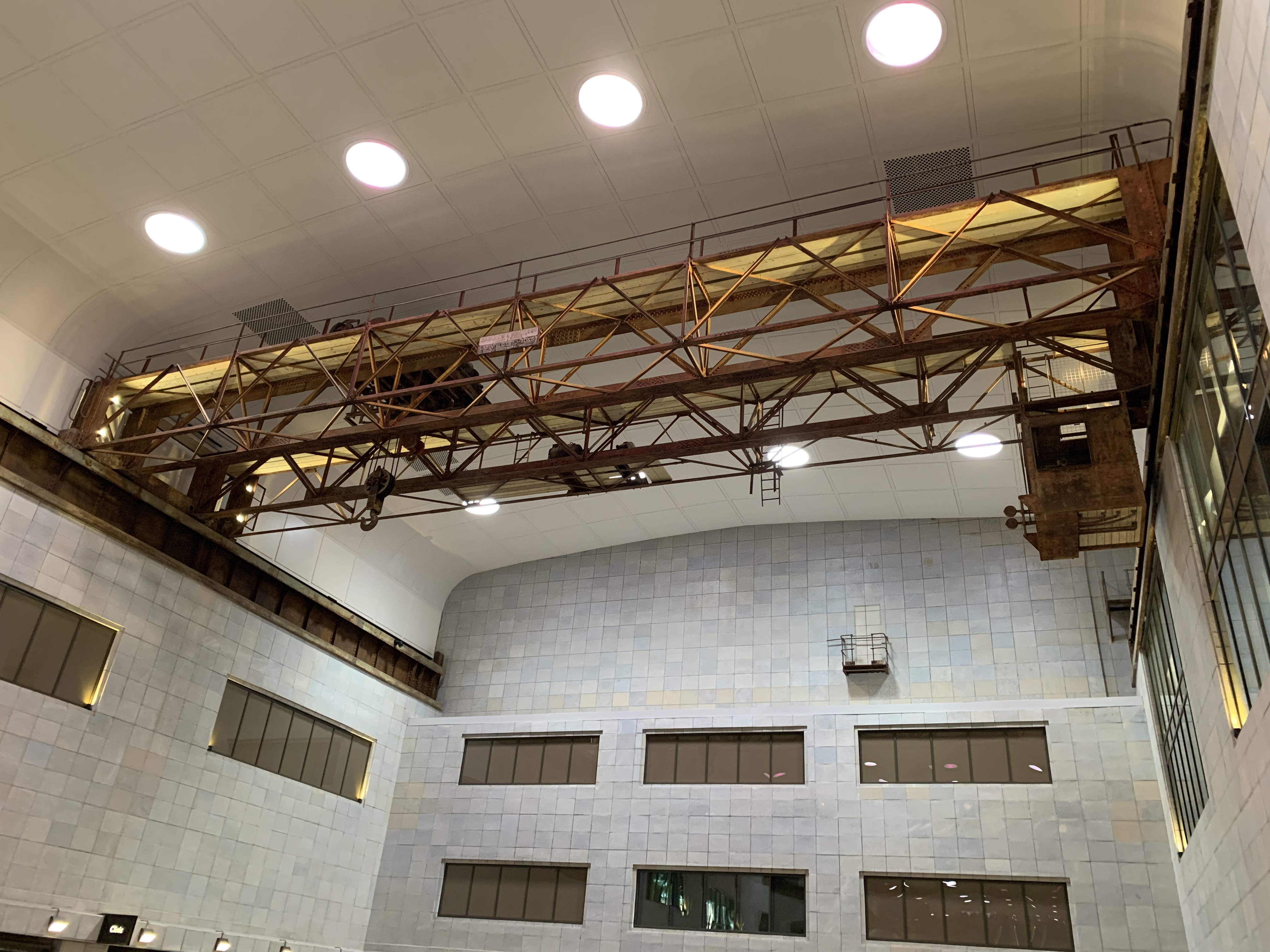
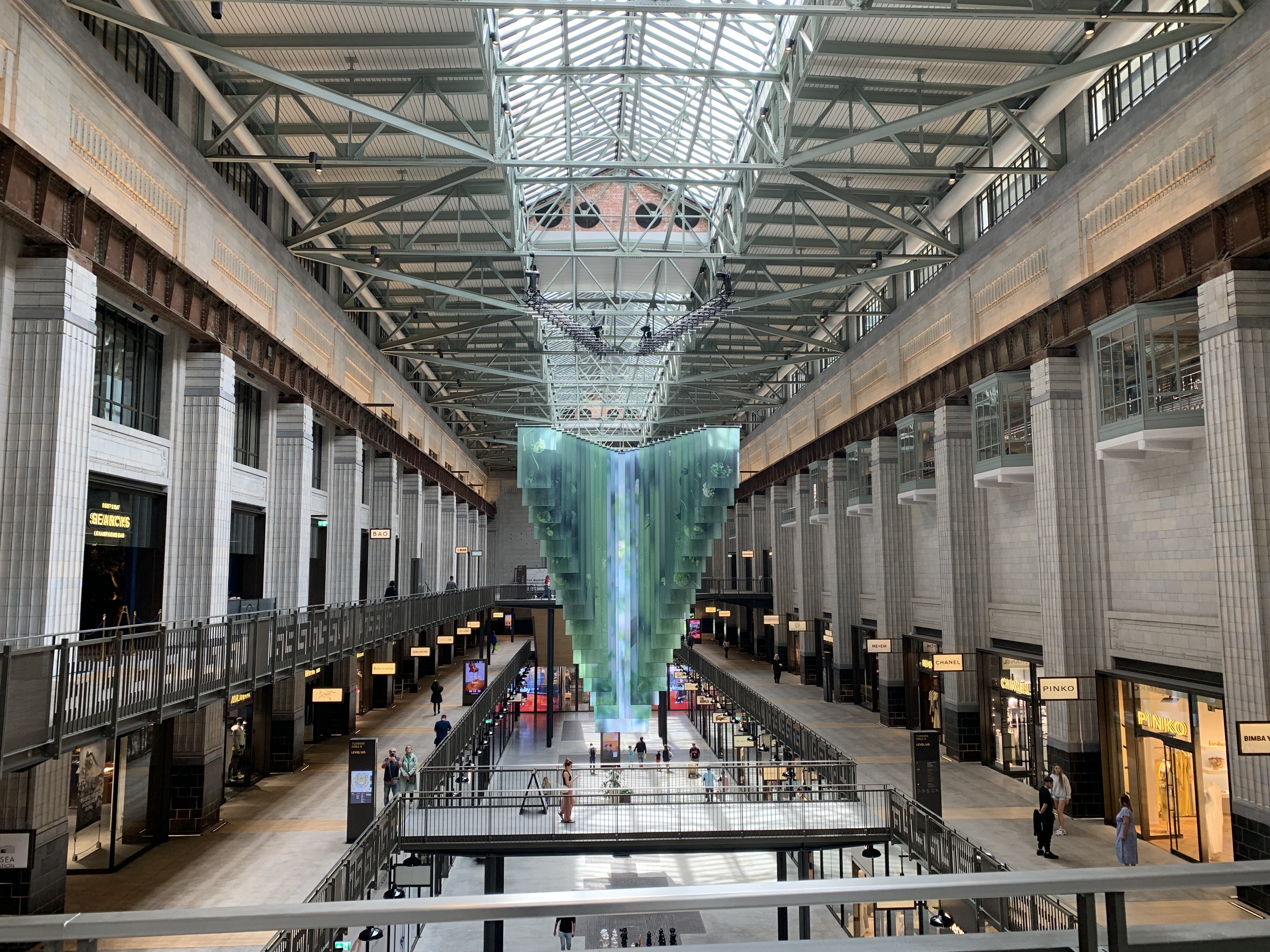
I’ve wanted to get down to Battersea Power station for a while to see all the modernisation work and what has been done there. It was after 11:00am when I arrived in the week and there really wasn’t much footfall in there at all. I asked one of the guards and he said the place was much busier at the weekends. I hope he was right! Upon walking around there are bits here and there that show the old workings of the station and Control Room B was turned into a bar that still has a fair chunk of the old technology in it.
Downstairs from the riverside entrance was one unit showing the process to how the station became what it is today. And then there are a lot o high end brands about the place from Ralf Lauren to Rolex.
Bars and restaurants here and there, a place called Bounce where there are a load of tables to play table tennis and even a cinema.
Further upstairs to the third floor, is an optional lift going all the way up to see a view and a few display bits, but I chose not to do that as I thought the price of over £20 was far too high!
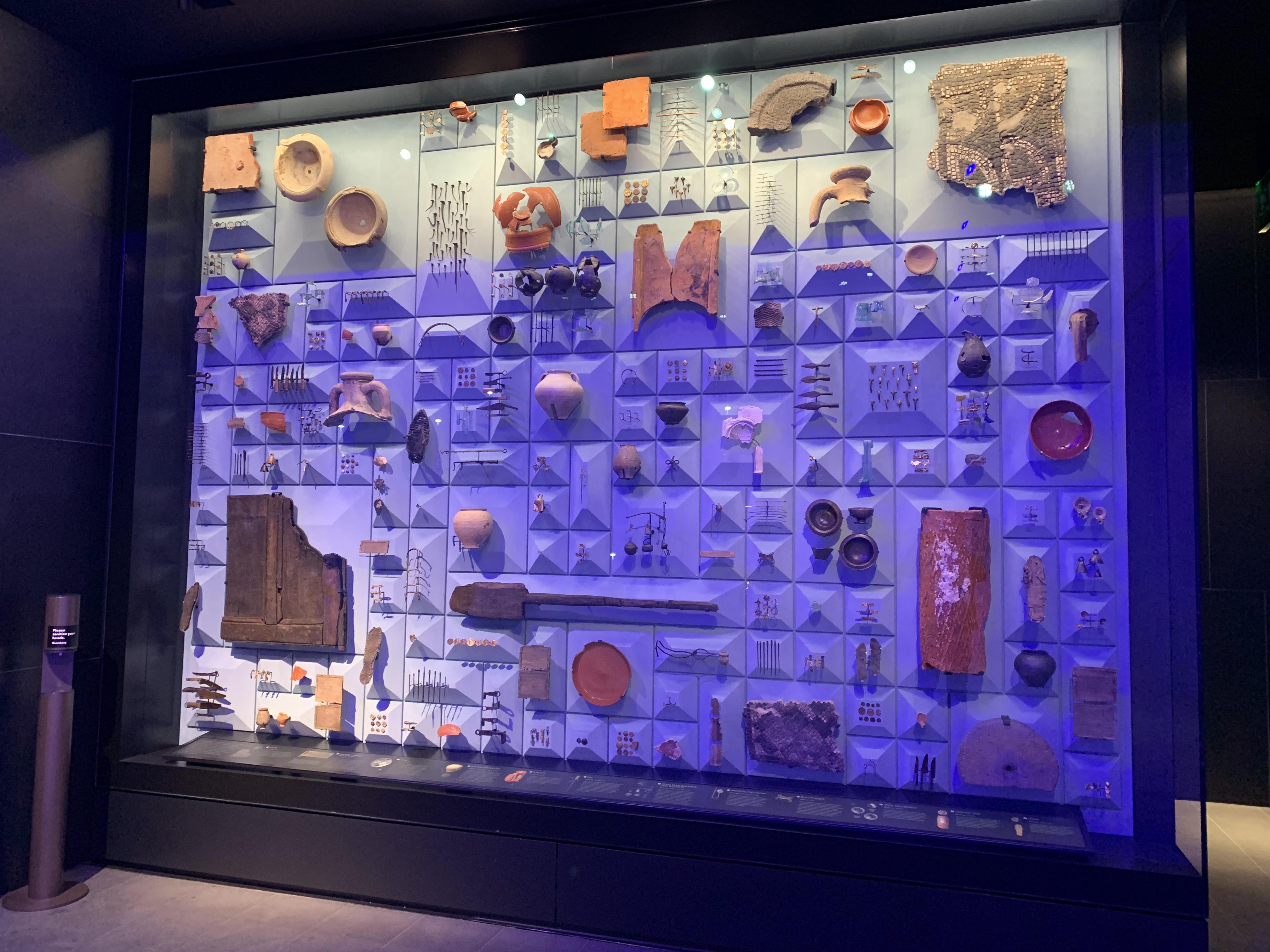
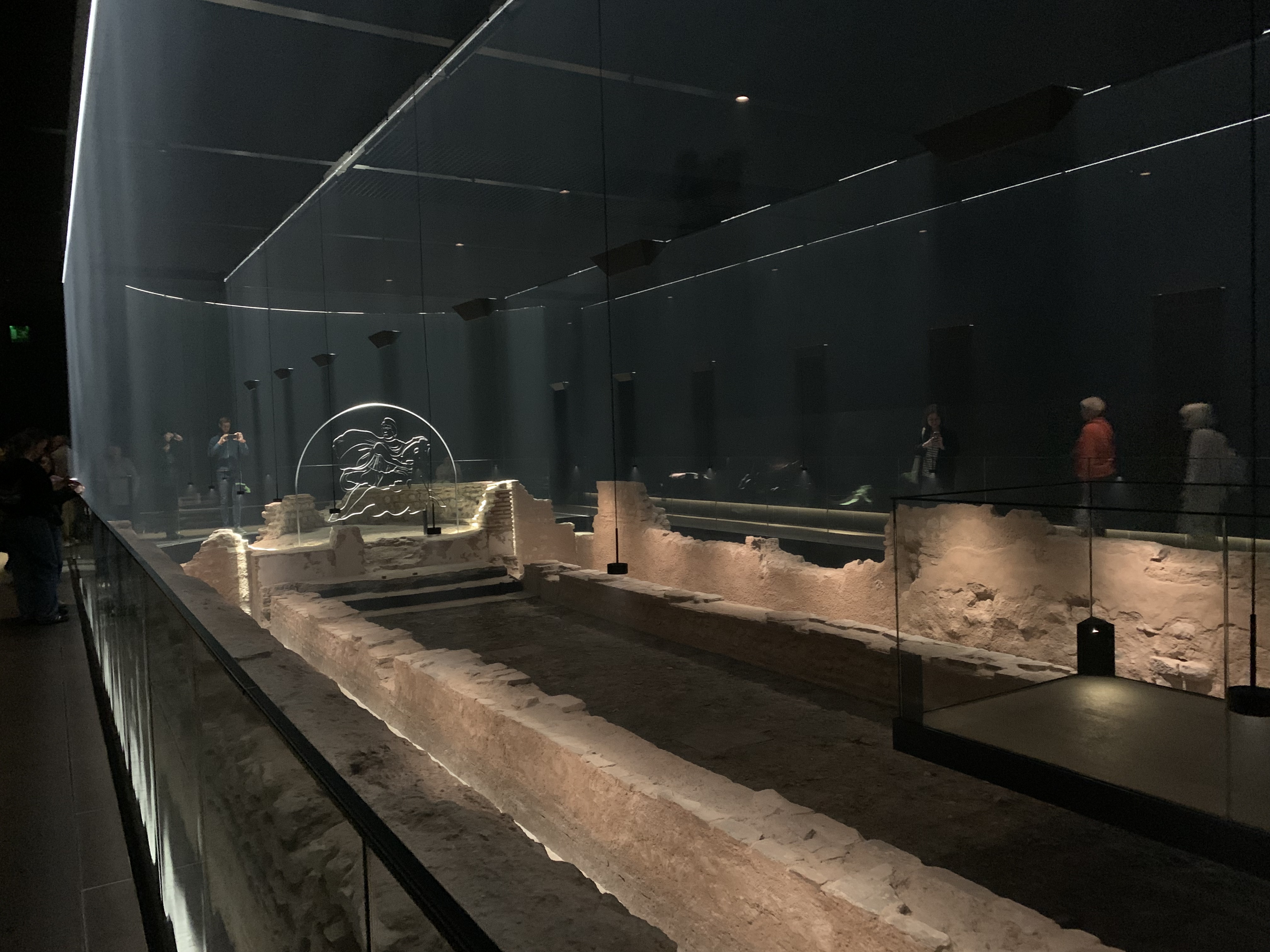
This is a little hidden gem in the Bank area of central London. When they built the new Bloomberg building they moved the Roman Mithraeum temple out and then put the ruins back to where they originally found them. You can now go online and book a free visit if you have a spare half an hour to visit it in your day.
Entering you are treated with an ever changing art space, then next to it is a wall of finds which you can browse before descending down the stairs to the temple. There is a brief bit of information in a waiting area and when let through you are treated to a very mystical setting, low lights, barely visible and it is a treat to watch and listen to the story.
After that’s finished you can have a walk around when it lit up better, take some photo’s, ask those questions before leaving. Well worth a visit in my opinion.
I thought it rather strange, when walking back earlier from the shops that some woman’s clothing was just hanging up here. My mind wonder if someone was running around nude, or did aliens take her away… I don’t even what to think of the worse. That would just give me nightmares.
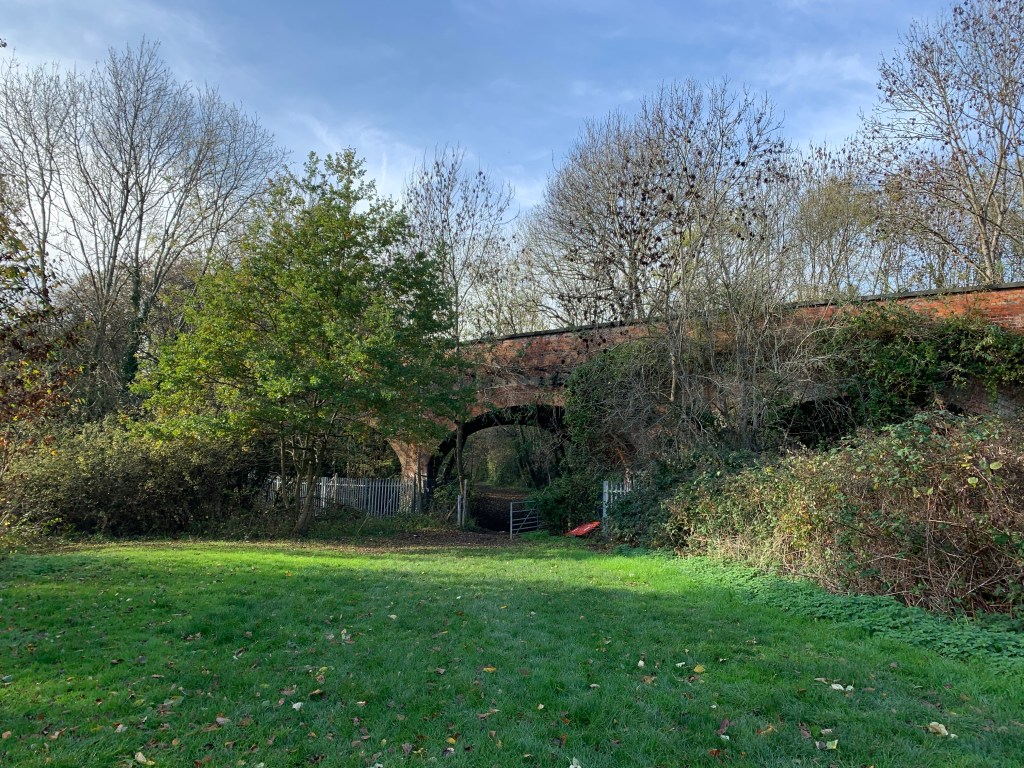
Following on from my last walk, this time I found the entrance in Lydhurst Park to the second part of the train line walkway. It seems a lot less people know about this part of the train line walk. Which can only be accessed on weekends.
I entered via the entrance to the park just off of Bunn’s Lane. This was about the location of where Mill Hill the Hale station use to be, which is a stones through from Mill Hill Broadway.
You can see a trench of dense brambles and woodland running along the right side of the park and if you walk the path and follow it you can if not immediately find the entrance to the walk. It is somewhat hidden, there is a little foot path over a small brook leading to a hidden gate.
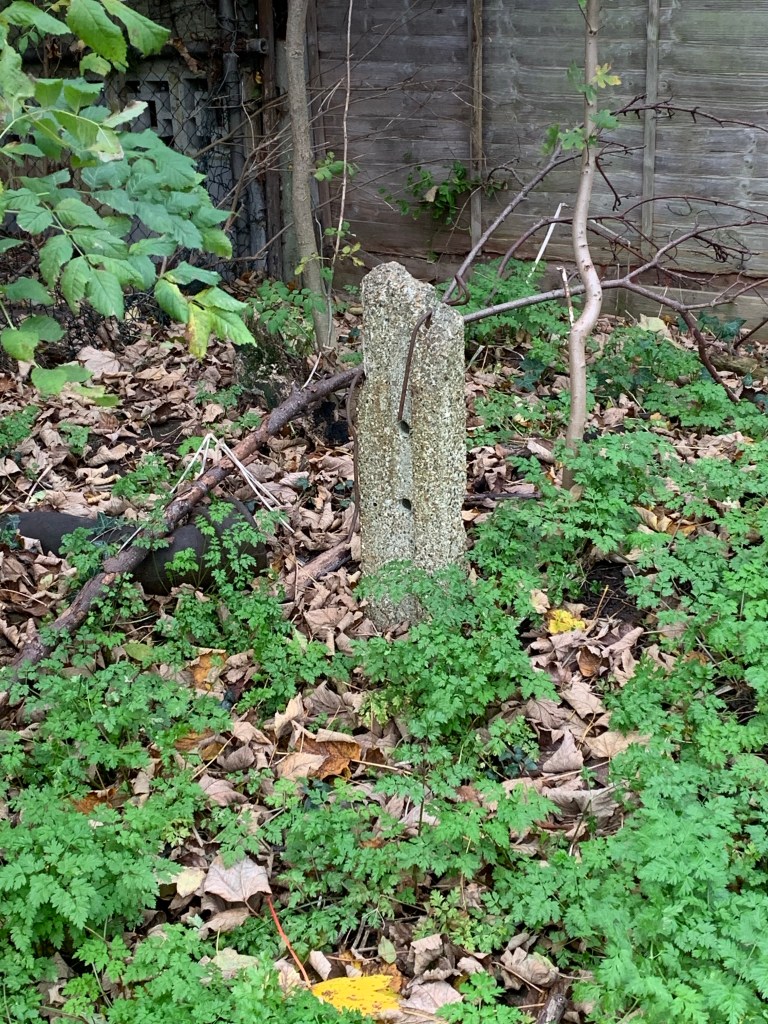
Part of the old track, there are lots of these posts.
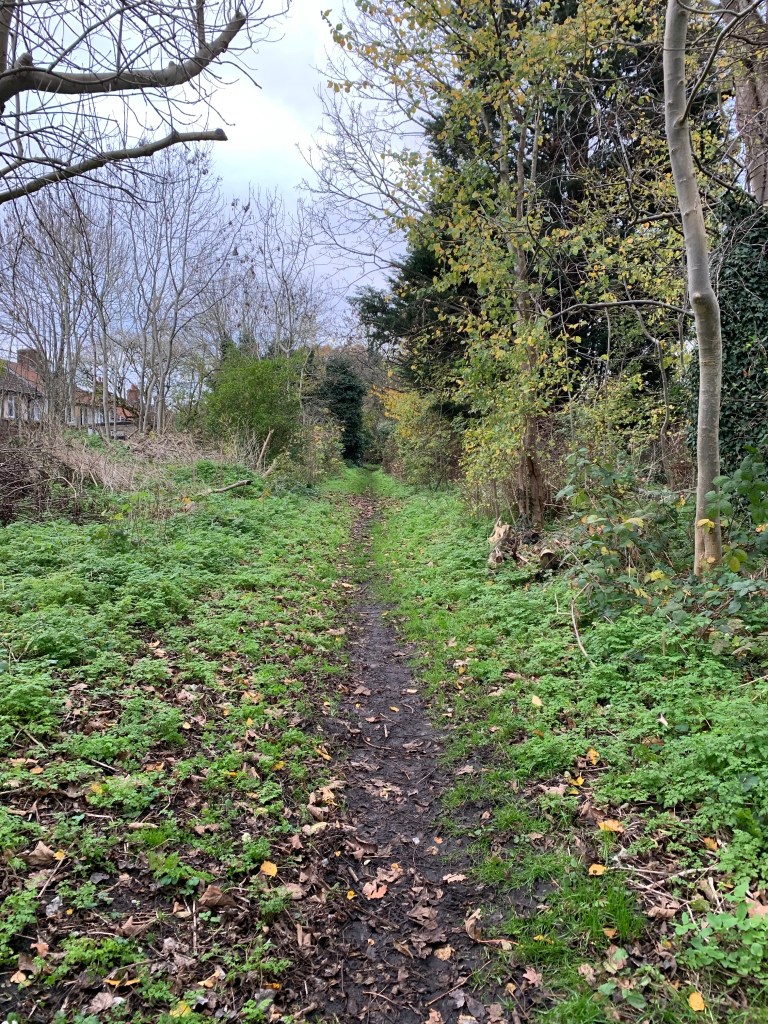
The foliage is dense in places but opens up in others. It really does run between the houses!
The end in sight!
The ending of the route is somewhat disappointing, I came out on the A1509, there is another road opposite which looks like private access to the Edgware terminus which I didn’t go down as I don’t want to trespass! However I turned right and walked the road back up and round. There is a massive church, which I thought was a bit of an eye-saw. Then after some roundabouts there is a pub called the Railway Tavern, (unfortunately closed) I don’t know the history, it must have some relation to the old project of the Northern Heights. So I walked past that and back down to Mill Hill.
In the 1930s Mill Hill East tube station ran through all the way to Edgware tube station with one station called Mill Hill the Hale which didn’t last very long at all. This station was adjacent to Mill Hill Broadway station.
I’ve lived in the area for over 10 years now and I’ve finally walked round and did the first part of the route.
If you come out of Mill Hill East tube station you can walk round and up to see where the track finishes, then you can follow where the line would have gone through. A few bridges aline the route, then you walk between Metro golf course on one side with a football power league centre on the other side. Finally the end of the route terminates into Page Street.
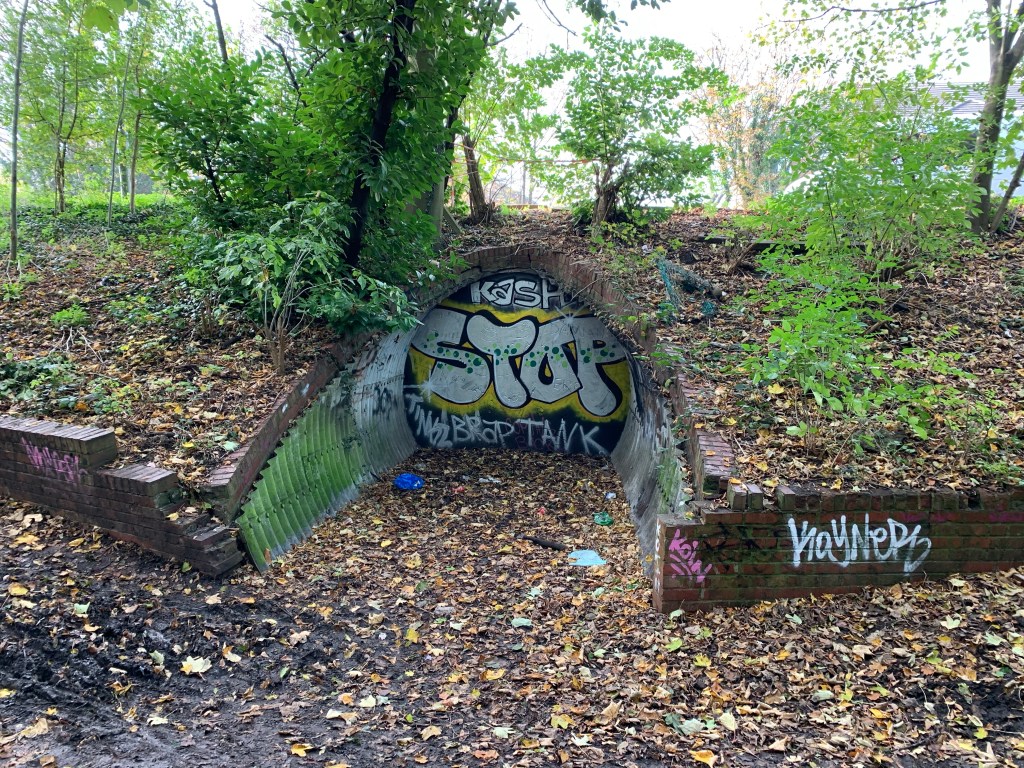
Second underpassA blocked underpass under Page Street
I took some other photos of graffiti but not enough of the route. The are lots of trees on either side. On the other side of Mill Hill there is Lyndhurst Park, from there you can walk all the way through to Edgware to continue the train line route and I would like to walk that next time.
Staying in Venice Beach seems very trendy, it’s very much similar to Camden of London of which I know. First night here we went to get some food and I had a pretty average burger, but boy people are smoking a lot of weed here.
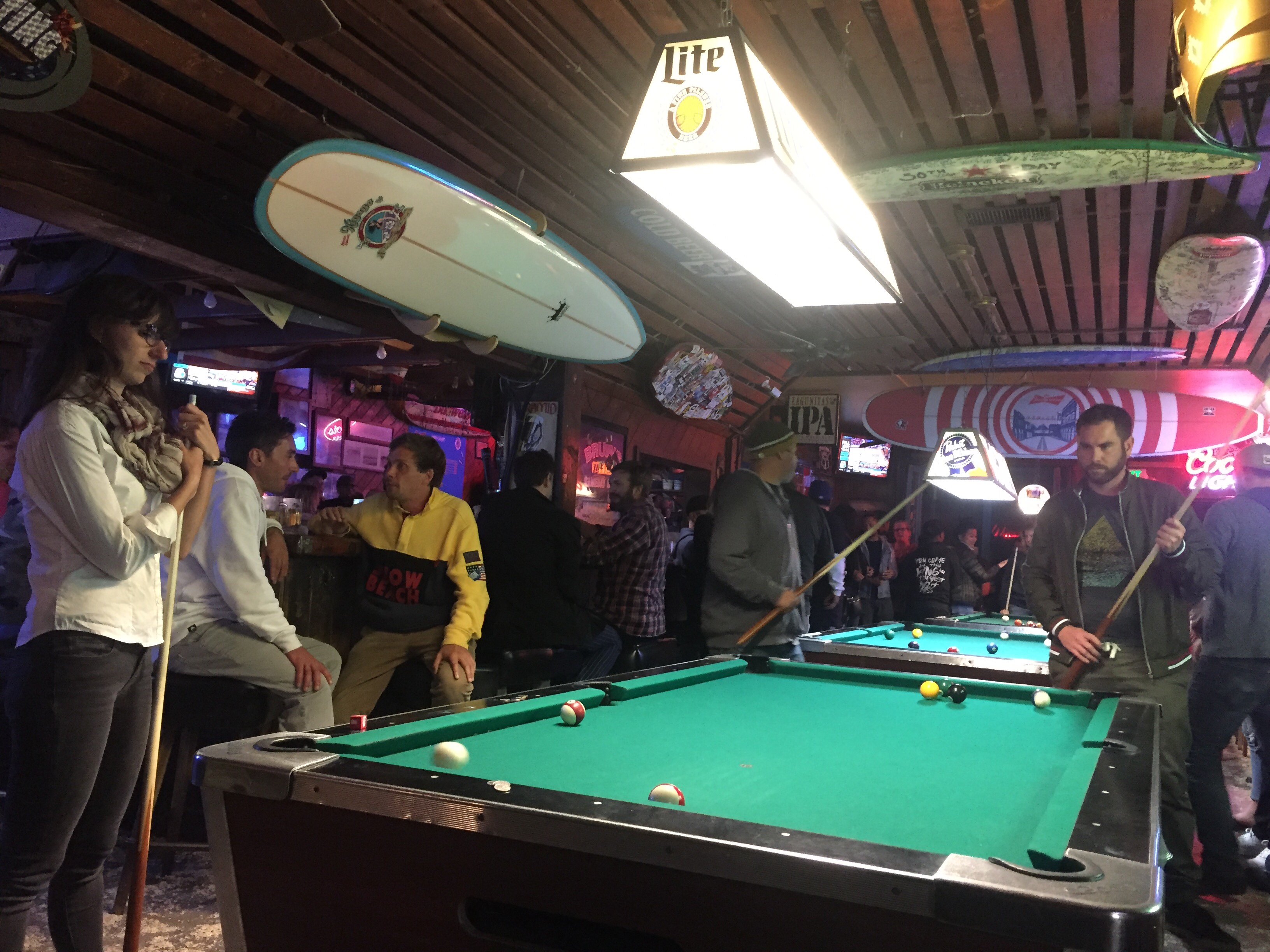
A few days later we went down to Washington Bvld to find a dive bar called Hinano Cafe we were told about where Jim Morrison of The Doors use to hangout. He apparently scratched his name into the bar, but that has now been taken out and moved to a museum.
Surf boards on the ceiling saw dust of the floor to soak up the beer and pool tables.
We played pool there I don’t know if they are the same tables from Morrison’s days.
Last Friday I was in Temple walking through Fleet Street and come upon St. Dunstan in the West. So I thought I would head inside for a look. It’s an impressive church in the heart of the city but sadly it also felt very neglected.
There was an eerie feel to the place, the pollution from all the passing traffic outside had soaked its way deep into the church. This effect darkened the place which would of been a lot brighter if had been looked after.
The bench cushions looked well used and could do with replacing, so I sat at the back on a bench that didn’t have one looking across hoping for someone to rescue this place. They are trying to raise millions to repair the church tower, I can’t spare that much, but I did donate a few quid in the collection box on the way out.