Tag Archives: TFL

Moorgate: Metropolitan Maze

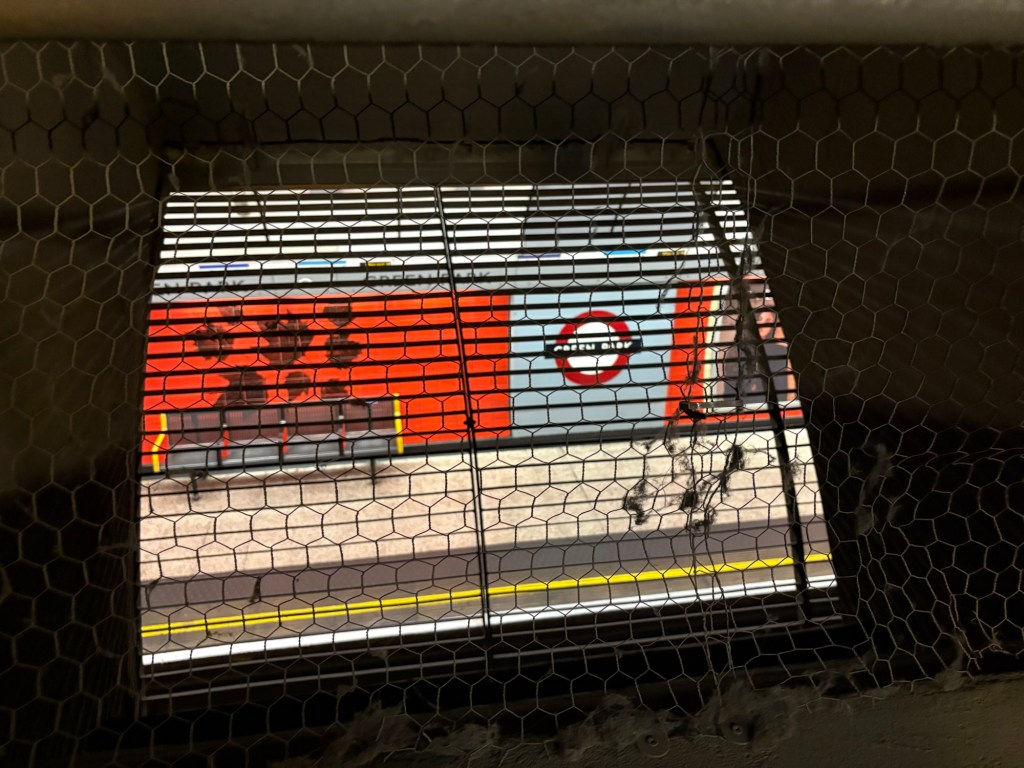
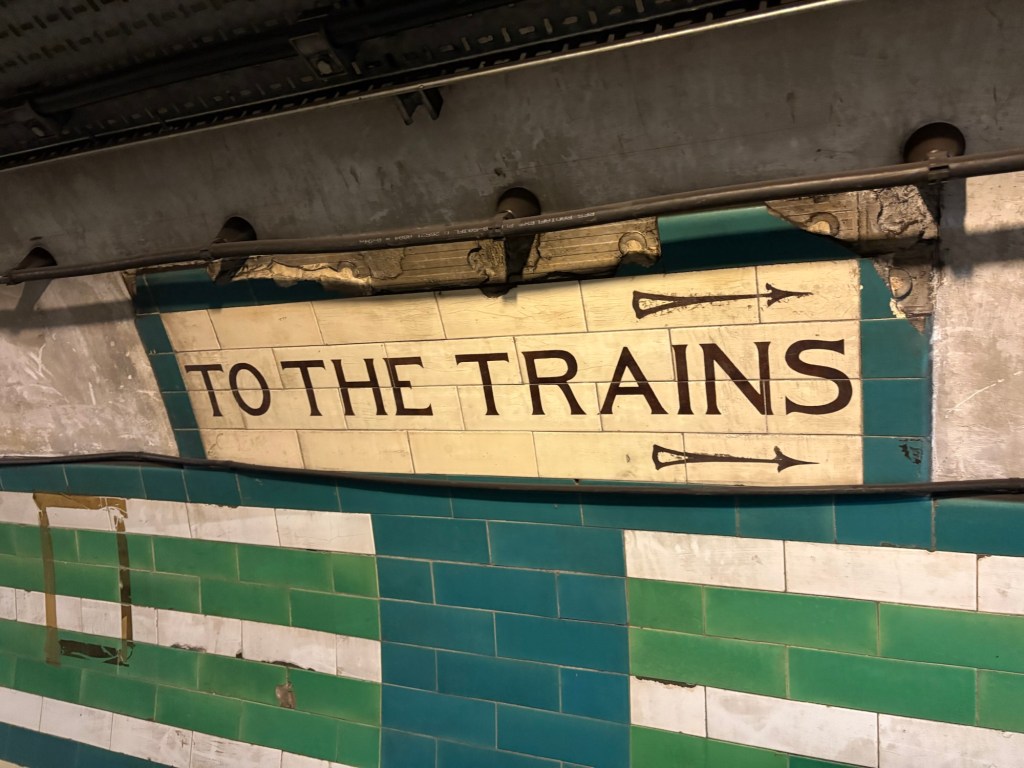
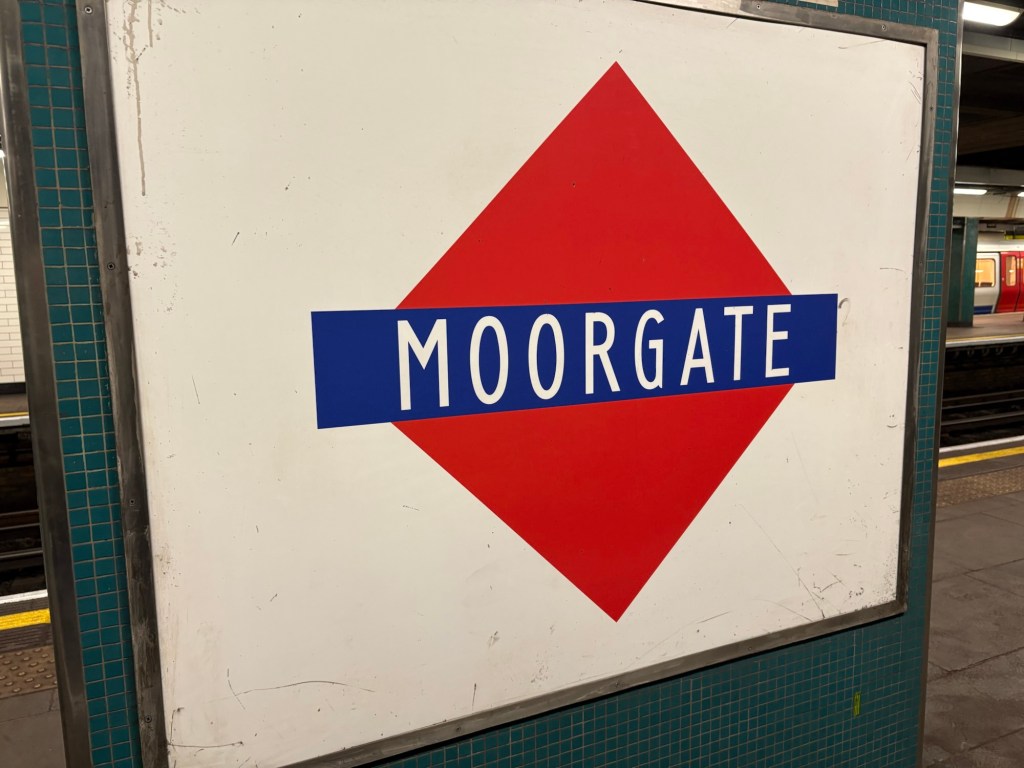
The Metropolitan line Moorgate roundel

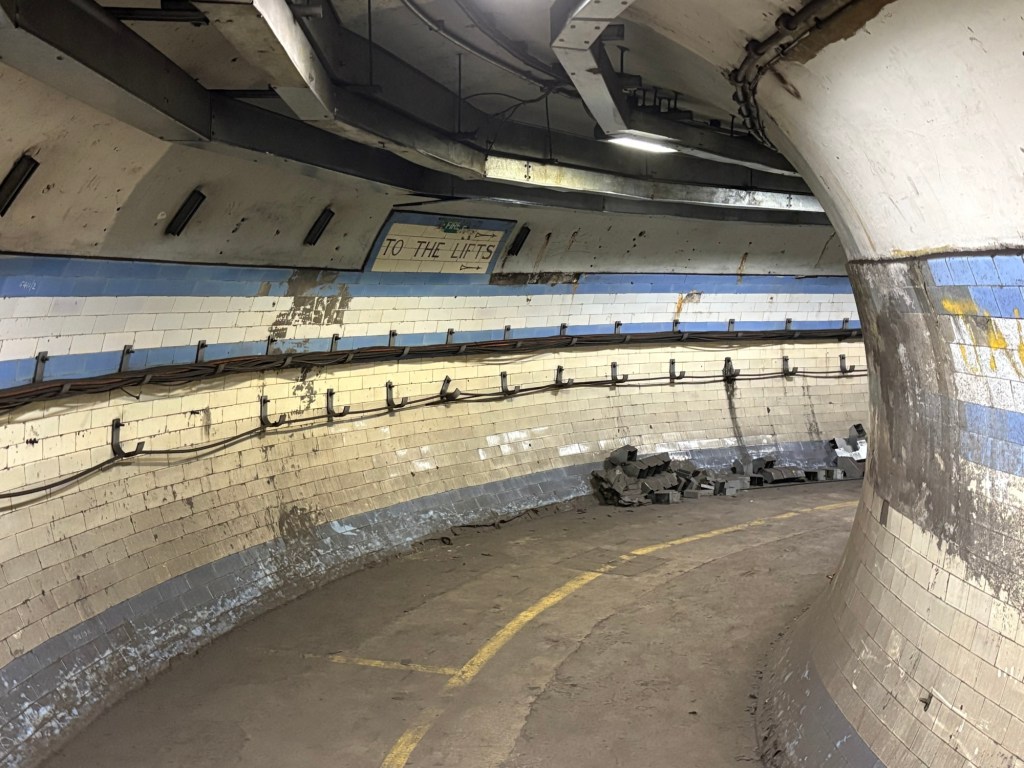
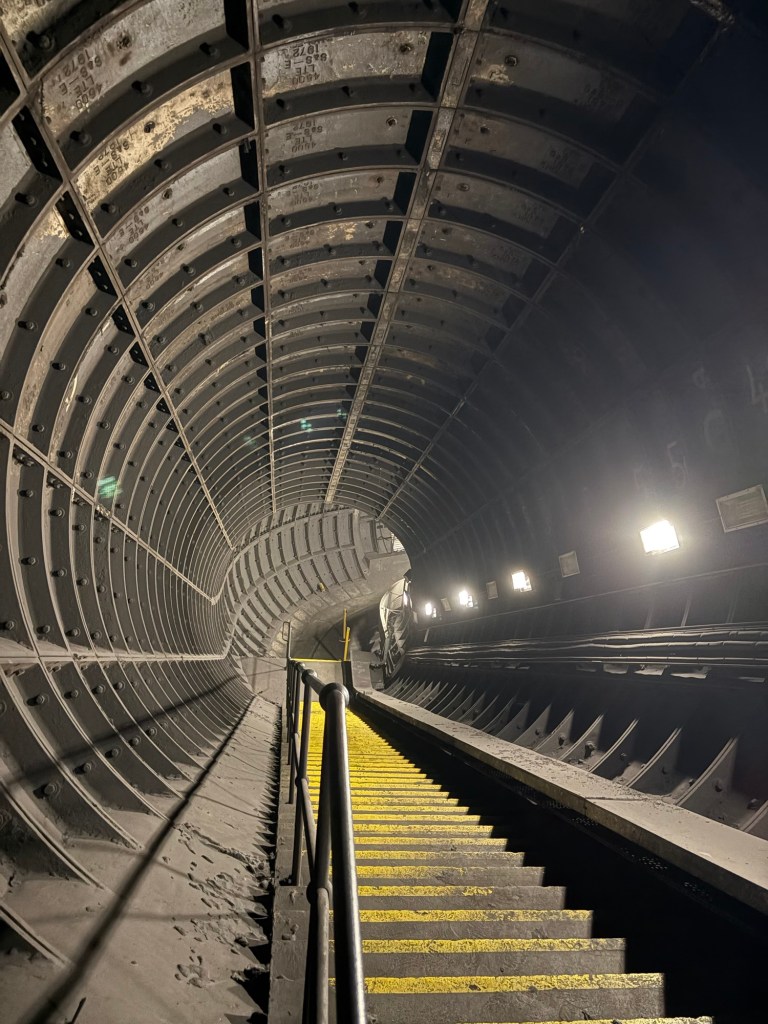
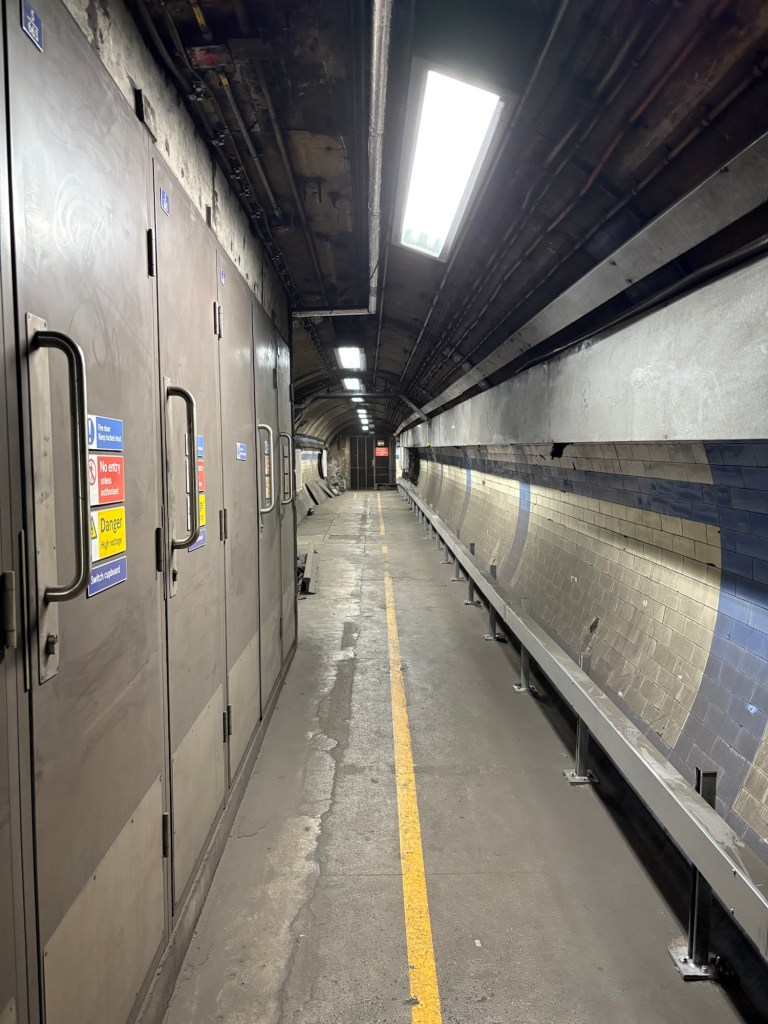
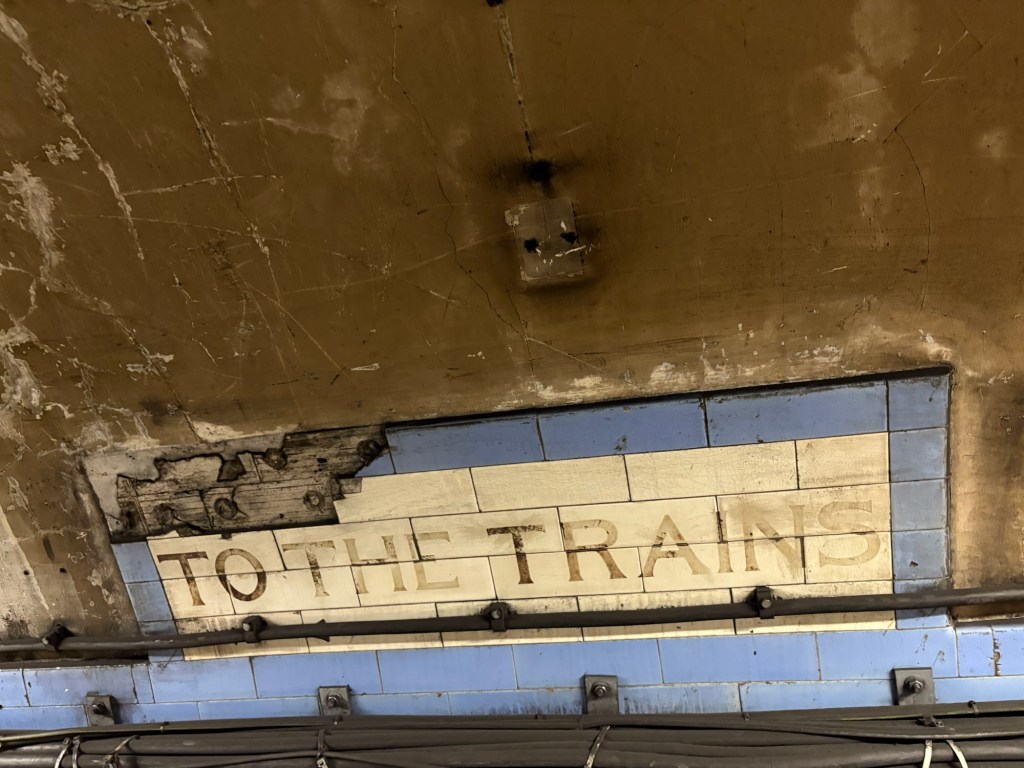
The tour started with a bit of history and started to feel like many other hidden London tube tours, the descent down. But there are some interesting elements, accessways, old tunnels, covered in good old thick dust everywhere! We explored an area which was partially used during World War 2 and saw a huge wind turbine which they didn’t have on. We’d be blown away if it was on it was so big!
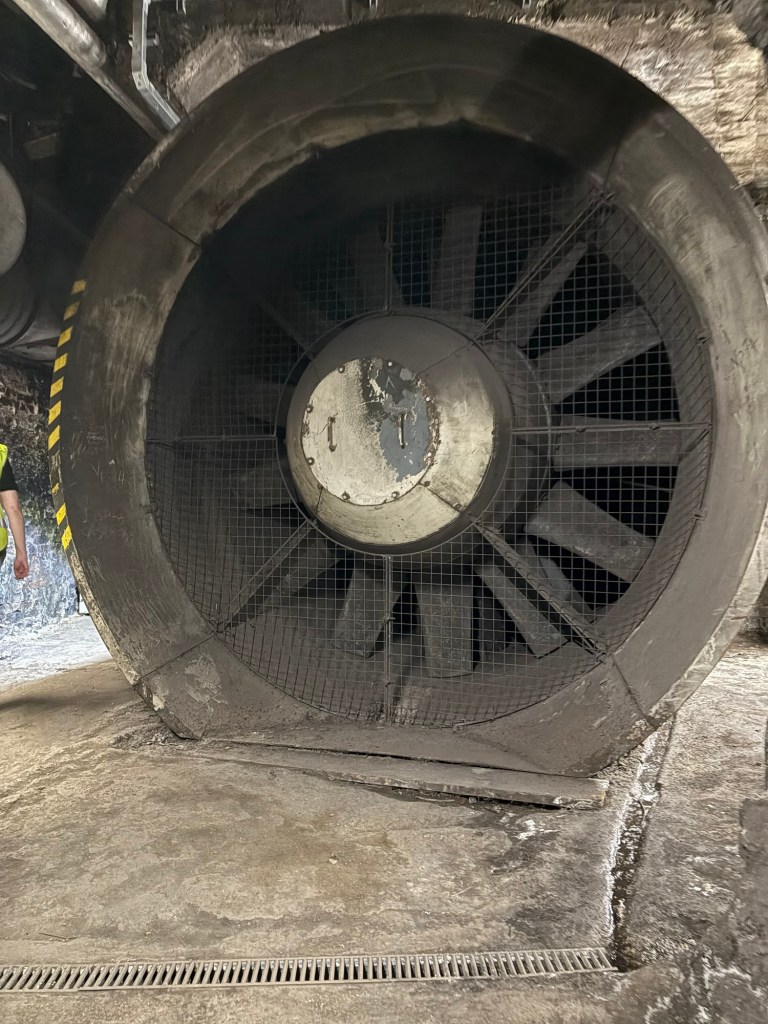
That’s one big turbine!

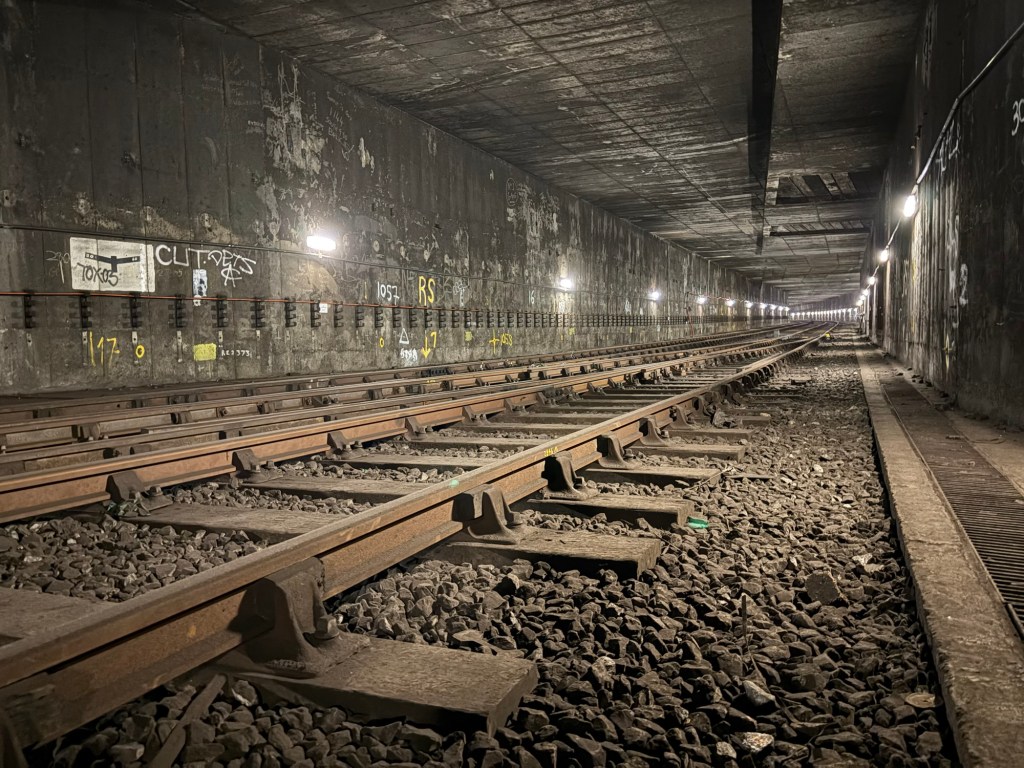
Making our way back ascending back up the stairs towards the main concourse then back to the multi-platform area. Here is special part when you descend down the furthest platform then down onto the track, not so deep down, but very much under London. Walking alongside the old track felt amazing, another case of “I am amazed I am allowed here”!
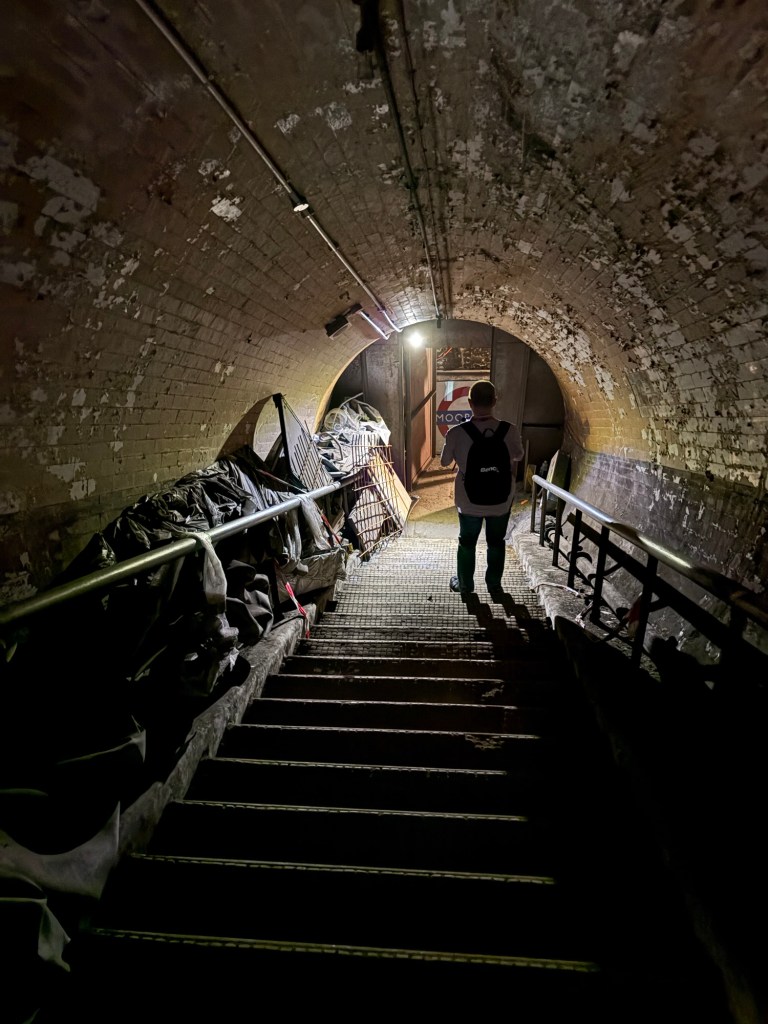
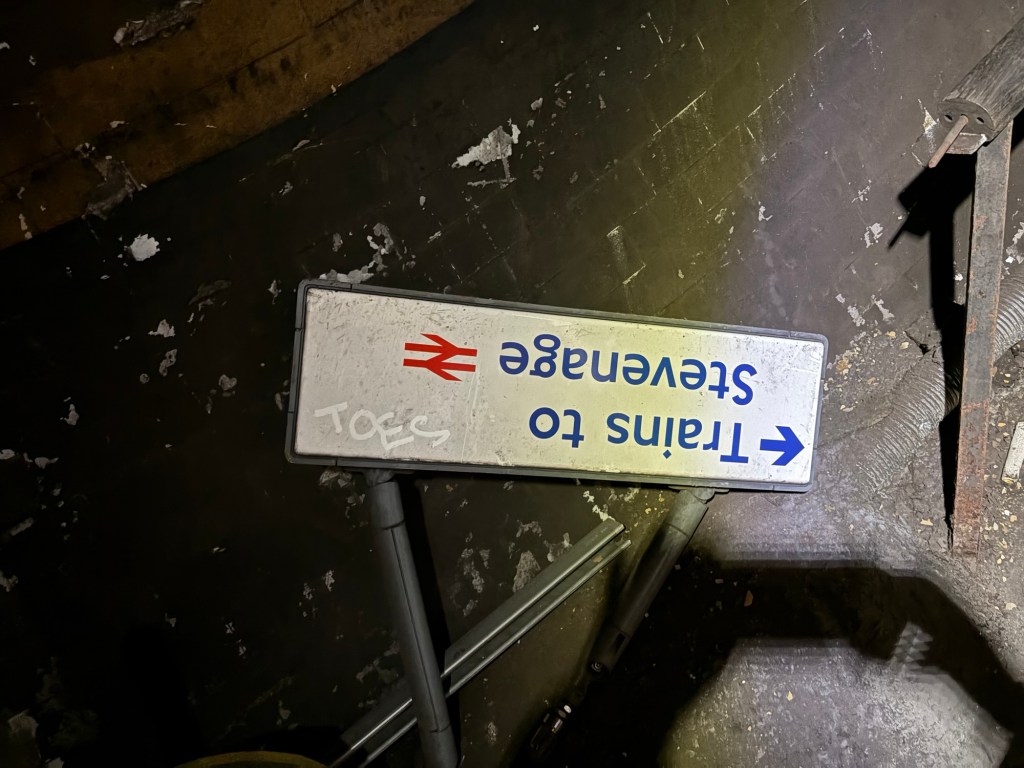
There was even a little headless horse statue down there. But for the life if me, I can’t remember if the girl said why it was there. We then went round into another access area, which had this incredible graffiti that no one will ever see, this felt very much like some sacred underground church with the high ceilings. However, they said we were not allowed to take photos of that area, as they seem fearful other people will get in to tag the place. I am still amazed that people can get into the area to spray. They must have to walk a long way to find this obscure, way off the beat part of the hidden underworld of London to even get here.
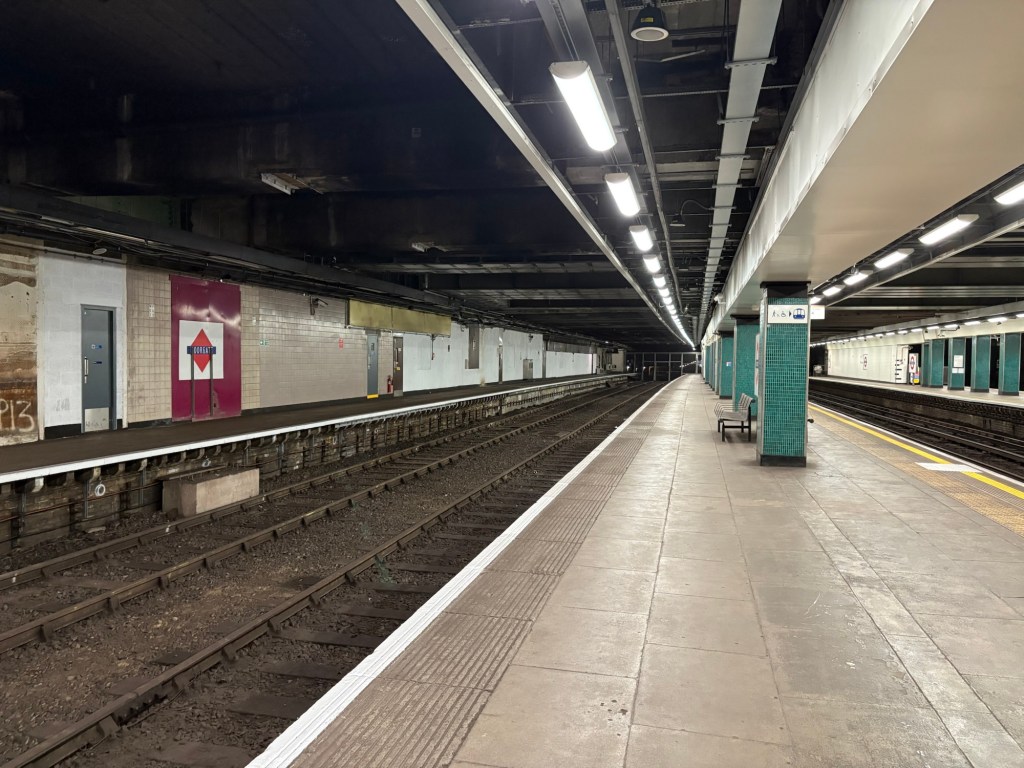
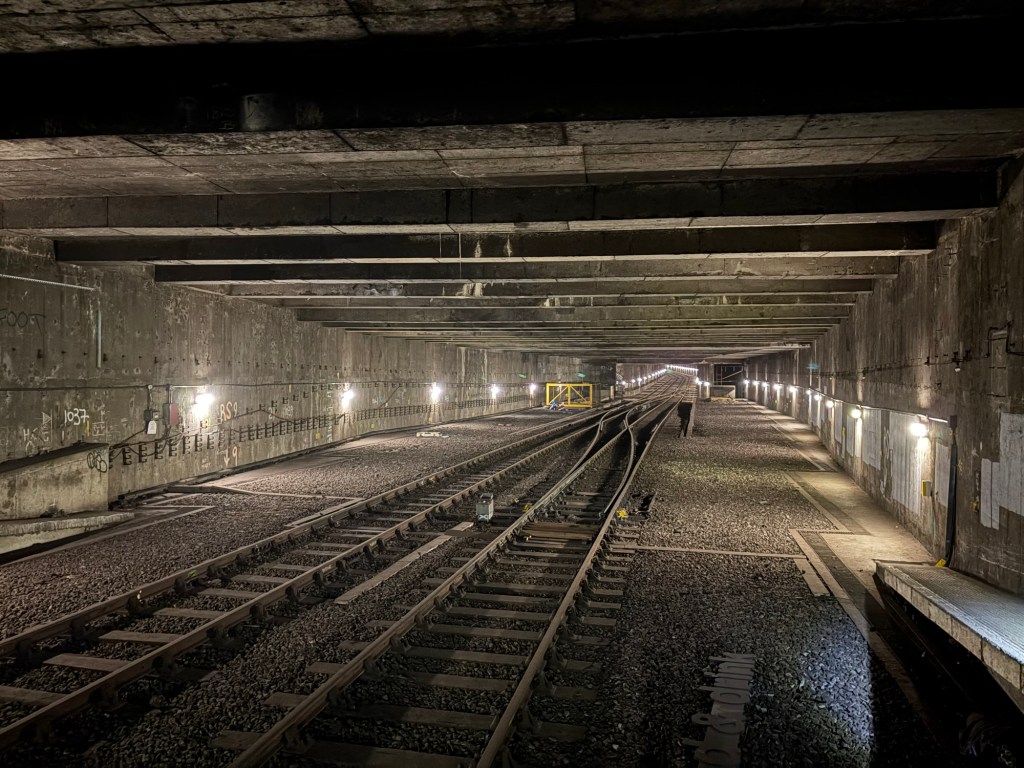
As always, I tend to labour behind the group so I can soak up as much as possible. I was hearing the sound of rushing water and look down into a grate. I asked is that a hidden river? Because we do have a lot of those in London surprisingly. However, the tour guide explained that this was part of the sewage system. That really must be quite big, because that was a lot of water running under my feet.

We started our ascent back and I didn’t realise how deep we wondered into the tunnels, must have been a four to five-minute walk back to the front of the platforms. There we got to hear about the special metropolitan Moorgate roundel and then that was the end of the tour. I did rather enjoy this one. Especially walking alongside the old track. This one I recommend.
Dover Street: Alight here for Green Park

This TFL Hidden London tour started outside at the Diana statue in Green Park and then took us into for a tour of some of the hidden passages for this tube station. After the close of the old Dover Street station entrance, they moved to the newly opened entrance of Greek Park in 1933 next to the Ritz which is where everyone enters and exits each day.

As a group we made our way down and through another gate. These areas were closed off before the war as they were no longer needed however as WW2 came along the passages were reopened and they created lots of small units and areas for the war effort. This included an underground HQ for the Railway Executive Committee (REC). I was constantly looking for the old wall lines of the partitions to understand how small each unit was. And very small they were.

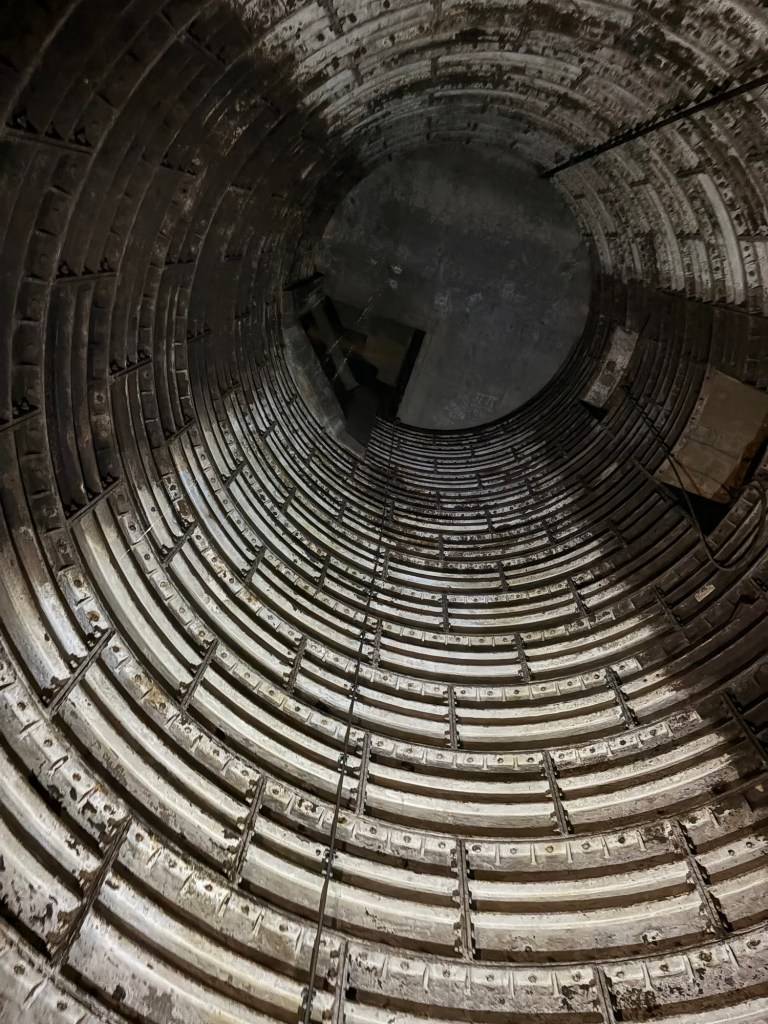
We carried on round to see more hidden tunnels, where the old lift shafts where, which had been turned into offices and one into a kitchen. Then back we visited a very impressive air shaft. The stairs down and the air shaft itself where you really feel like you’re not supposed to be there. A rather unique experience. This is certainly one of the top experiences on the TFL Hidden London tours. I certainly recommend this one.

Air shaft

Hidden London – Piccadilly Circus

Into London for a fairly new tour, this time at the Piccadilly Circus hub. You start off by one of the least used exits and make your way into the concourse getting a history lesson along the way. There is an old map in the concourse area and directly opposite a tribute to Frank Pick.

World clock map, it had been restored to working order.

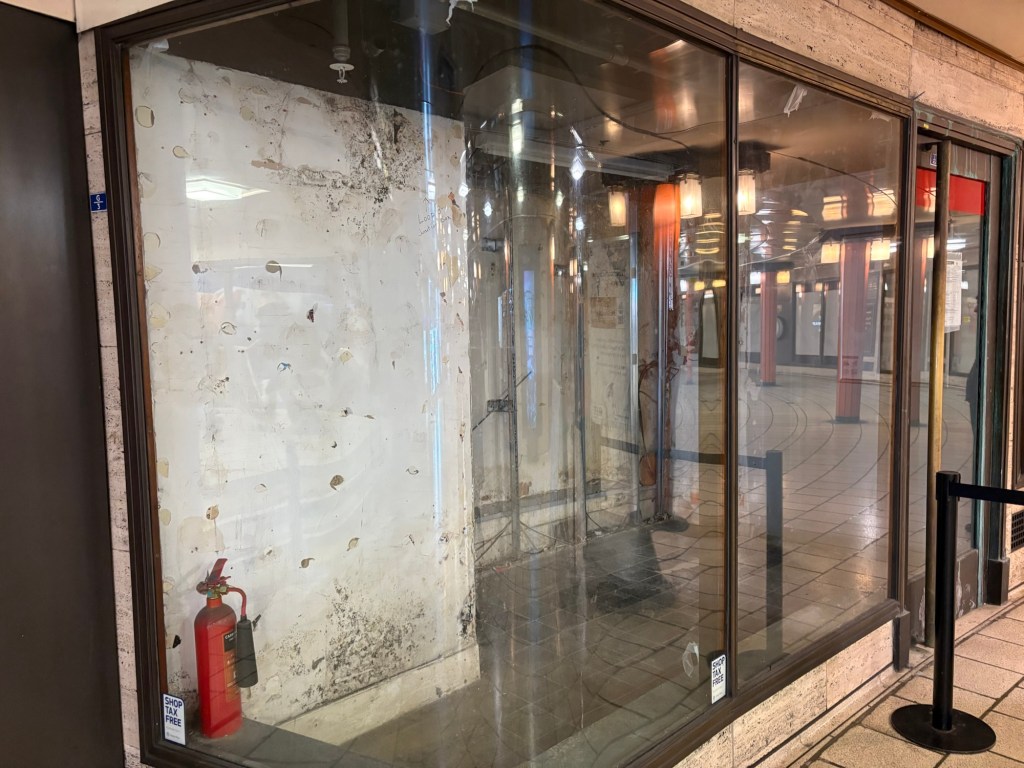
Here I felt that we should have been shown around the concourse a lot better before descending down the stairs to the hidden tunnels. There is a fair amount of unique 1920s architectural features to point out. The tile work, pillars lights, a very unique world clock map was addressed. Maybe it would help to point out the location of where Stephen Bone’s mural was before it was lost. We then walked round to an area with a few small shops. However the majority of these seemed unoccupied, but the foot fall at the time didn’t look like it would help the matter.

Empty shop unit

The lead tour guide chose some steps next to a small shop and we descended down. This seemed mainly to not get caught up with other passengers. We made it down to the Northern Line platform where at one end we entered through a gated door.

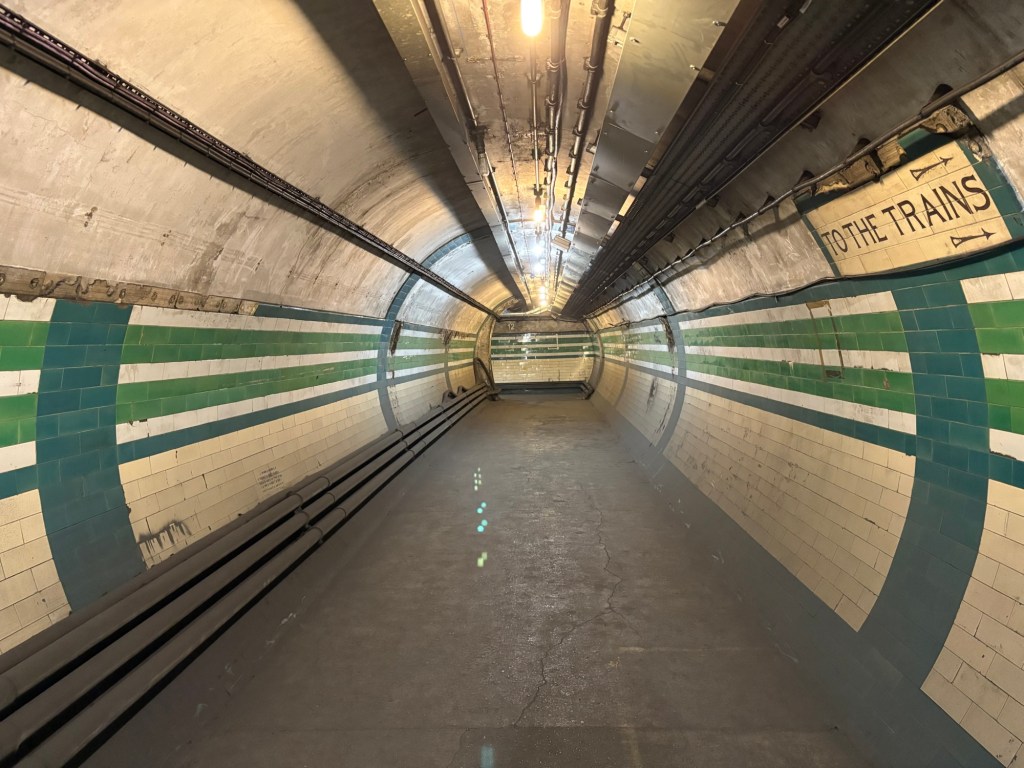
This is where you enter and feel really off the grid, a feeling of, I shouldn’t be here. These tunnels and others around housed many of the peoples of London during the WW2 blitz. We were shown many photos of the people sleeping on the escalators as well. One photo looked a lot like St John Woods tube station. There was also a section of tunnel to house artworks to protect them from the bombing. These were transported from Dover Street (now Green Park) via a tube train for storage. Saw some abandoned lift shafts, round a bit more then the tour felt like it abruptly ended.

Looking the lift shaft.

This is the first time I feel that a Hidden London tour needs to be adjusted. But nevertheless, it was an interesting experience. Not as good as their Aldwych experience which is the one I recommend the most.

Clapham South Subterranean Shelter Hidden London

I arrived at Clapham South not knowing what to expect, I exited the station had a little walk into the park and back around meeting everyone to start the tour.

We slowly descended down the spiral staircase and made our way to the bottom. There was a gentleman there who was re-enacting as an original staff member during the time of the shelter. He gave us all a replica ticket, this would help us find our beds later.

We had our introduction and walked to a room which shows some of the bombs that fell on London. I never knew about a bomb called a butterfly bomb. That was certainly interesting to see.

Upon exiting this room, I noticed one of the top brass Chris Nix (curator for the London Transport Museum) had joined us. I said hello and we had a little bit of a chat as we went round the complex.

We walked back out and into another very large tunnel room. These rooms go on forever! We were told there are two miles of tunnels so you will certainly get your steps in at this location you have to do. They showed some pictures of the raised level of Clapham Common but when I enquired after, (was that the spoil from creating the tunnels) The lady said yes it was. So it seems Clapham Common once had raised level area’s after many digs to create the tunnels and then over time they had that taken away.

We walked all the way down and round into another tunnel, told to look at our tickets and then find our beds we were staying in. I noticed that I was standing right in front of my bed for the night. (Least I wasn’t really staying for the night! It’s spooky down there.) And there are multiple tunnels with different names with thousands of beds.

All the beds are on the right, but there were beds once attached to the left wall. So there would have been even less room to walk down the corridor. And there are many more tunnels like this.

After the war the tunnels became a cheap hotel to help the homeless and later the Windrush generation. After more knowledge consumed we carried on, found a lost teddy bear, the mess hall, James Bond’s secret layer and finally out. But then I had to get back up those stars. That really is a tough climb! As quick as I have written this, this wasn’t a quick visit either. It was a good 90 minutes walking, wondering and I really enjoyed it. These hidden London tours just seem to get better and better. This is a must for any WW2 fan, historian and schools really need to book in to visit as this will be an exceptional learning aid for young children to know what it was like during the war years.

Mess hall and uniform.
I had no idea there was also Campbell’s tea. I had their tomato soup before but apparently they still make the tea. Will have to buy myself some to try one day.
Some of the items found when the re excavated and explored these tunnels.
They filmed James Bond here…

Mill Hill to Edgware train walk

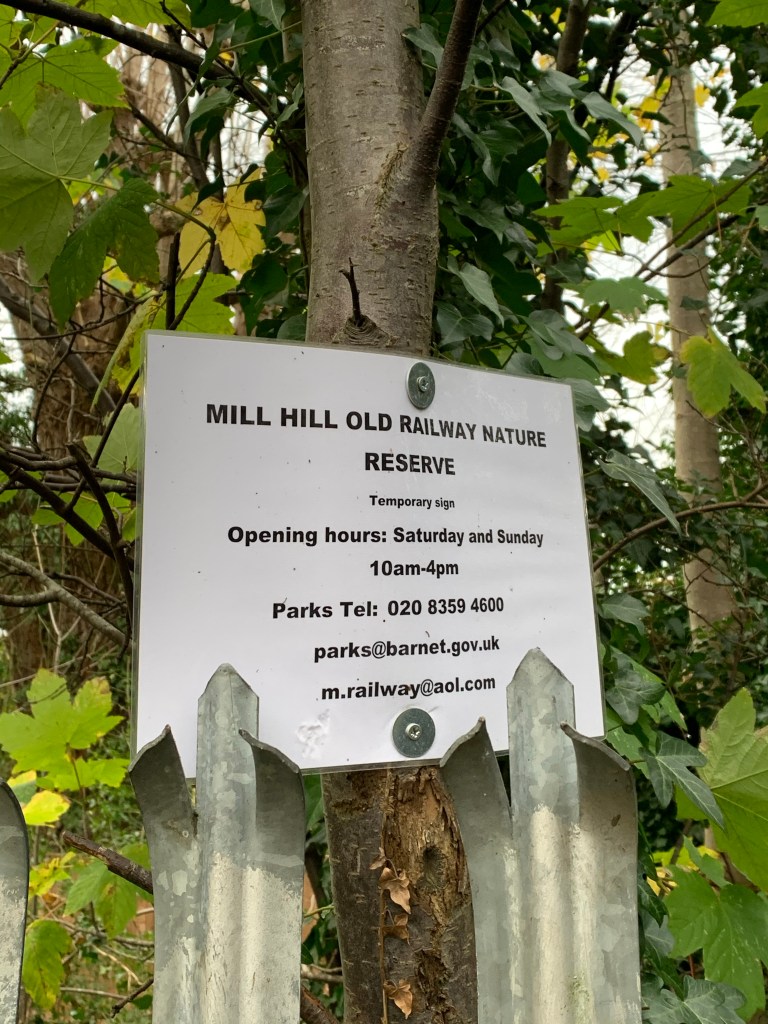
Following on from my last walk, this time I found the entrance in Lydhurst Park to the second part of the train line walkway. It seems a lot less people know about this part of the train line walk. Which can only be accessed on weekends.

I entered via the entrance to the park just off of Bunn’s Lane. This was about the location of where Mill Hill the Hale station use to be, which is a stones through from Mill Hill Broadway.

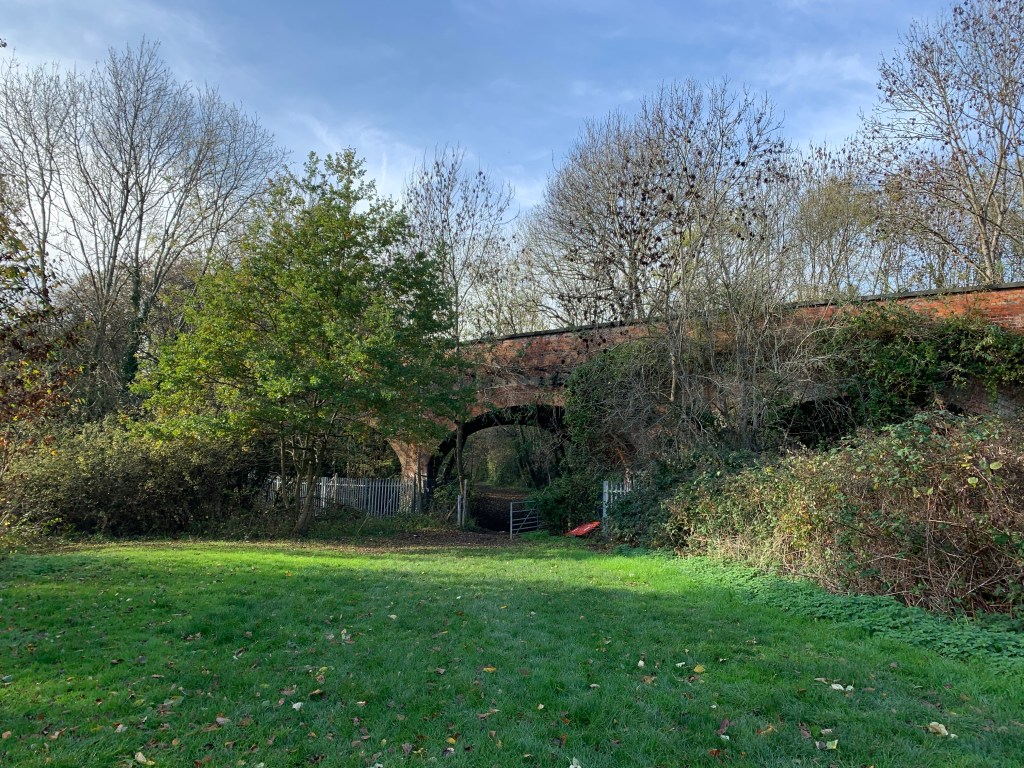
You can see a trench of dense brambles and woodland running along the right side of the park and if you walk the path and follow it you can if not immediately find the entrance to the walk. It is somewhat hidden, there is a little foot path over a small brook leading to a hidden gate.

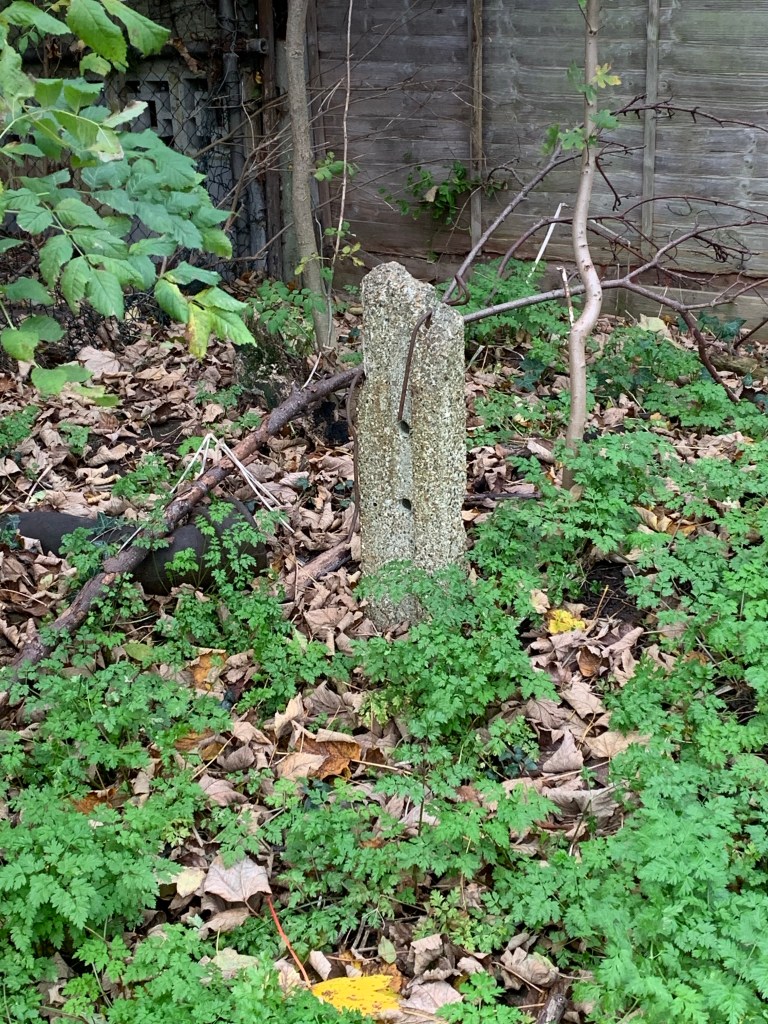
Part of the old track, there are lots of these posts.

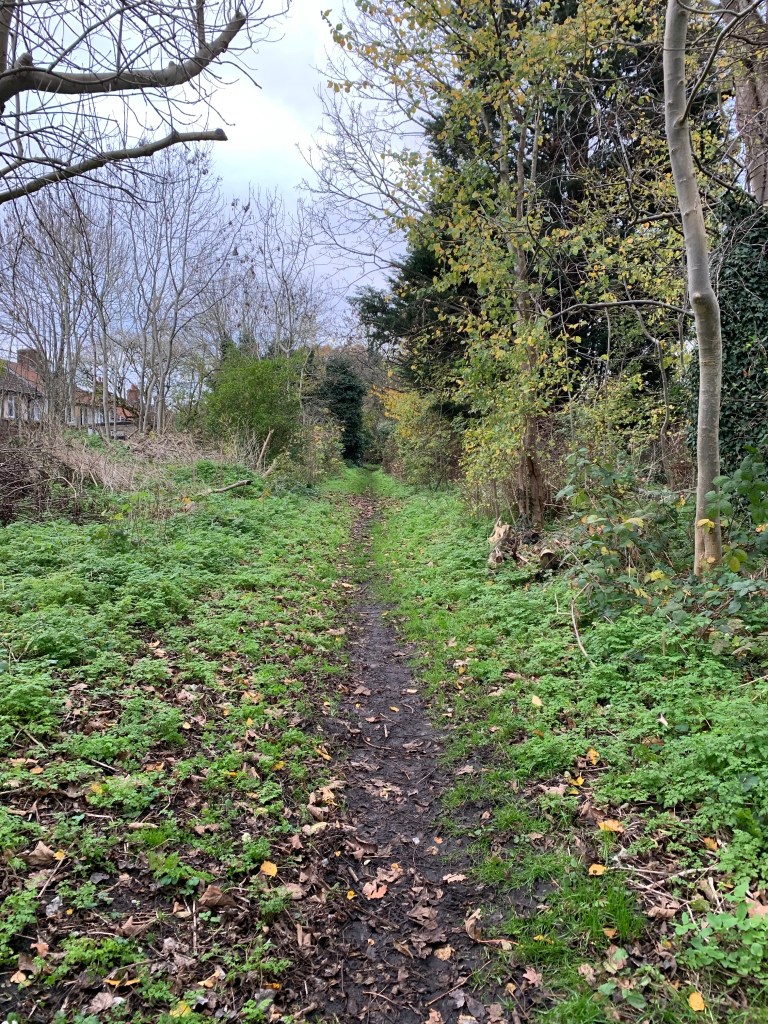
The foliage is dense in places but opens up in others. It really does run between the houses!

The end in sight!

The ending of the route is somewhat disappointing, I came out on the A1509, there is another road opposite which looks like private access to the Edgware terminus which I didn’t go down as I don’t want to trespass! However I turned right and walked the road back up and round. There is a massive church, which I thought was a bit of an eye-saw. Then after some roundabouts there is a pub called the Railway Tavern, (unfortunately closed) I don’t know the history, it must have some relation to the old project of the Northern Heights. So I walked past that and back down to Mill Hill.

Train line walk Mill Hill East to Mill Hill

In the 1930s Mill Hill East tube station ran through all the way to Edgware tube station with one station called Mill Hill the Hale which didn’t last very long at all. This station was adjacent to Mill Hill Broadway station.

I’ve lived in the area for over 10 years now and I’ve finally walked round and did the first part of the route.

If you come out of Mill Hill East tube station you can walk round and up to see where the track finishes, then you can follow where the line would have gone through. A few bridges aline the route, then you walk between Metro golf course on one side with a football power league centre on the other side. Finally the end of the route terminates into Page Street.

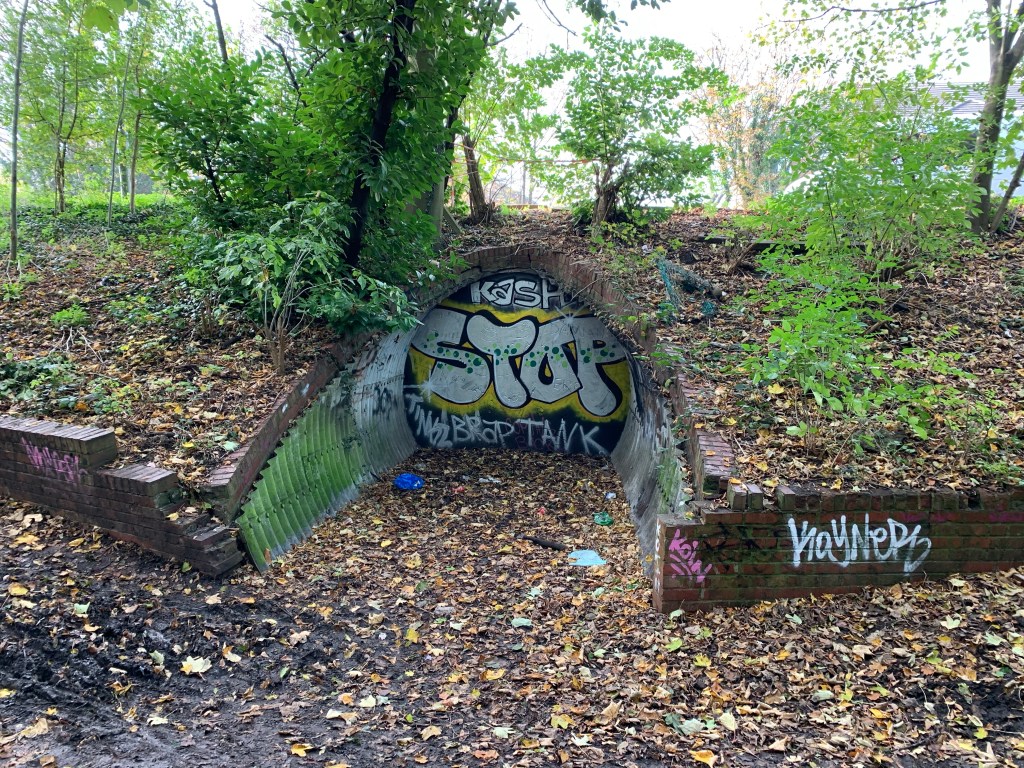
Second underpass
A blocked underpass under Page Street

I took some other photos of graffiti but not enough of the route. The are lots of trees on either side. On the other side of Mill Hill there is Lyndhurst Park, from there you can walk all the way through to Edgware to continue the train line route and I would like to walk that next time.